News & Insights

We specialize in delivering creator-led commerce solutions for leading brands globally.

What are TikTok Spark Ads, and How Do They Boost Sales?

Quick TakeawaysNative video promotion turns top-performing organic posts and creator reviews into high-converting paid social campaigns effortlessly.Official TikTok for Business data confirms native Spark campaigns achieve a one hundred forty-two percent higher engagement rate than standard ads.Every like, comment, share, and profile visit gained during paid promotion stays permanently attached to the original organic video.Generating a simple authorization code lets brands amplify authentic creator content without needing direct login access to creator accounts.Combining genuine storytelling with targeted audience reach lowers customer acquisition costs while building lasting brand credibility.Scrolling through your favorite social feed feels effortless until an obvious, overly polished commercial abruptly interrupts the vibe and makes you swipe away immediately. Spark Ads solves this problem by letting brands promote genuine, native videos that look and feel like everyday entertainment. According to official TikTok for Business performance benchmarks, native Spark campaigns deliver a 142% higher engagement rate and a 43% higher conversion rate than standard non-native ads. When your brand shows up through real creator voices rather than intrusive sales pitches, viewers actually stop, watch, and trust what you offer.Understanding how to amplify organic momentum turns your best-performing videos into scalable revenue engines. It protects your advertising budget from banner blindness while growing loyal followers simultaneously.In this digital marketing guide, we answer what are TikTok Spark Ads, compare TikTok Spark Ads vs. regular ads and TikTok Spark Ads vs In-Feed Ads, highlight what are the benefits of Spark Ads, clarify can brands use creator posts in TikTok Spark Ads, explain how to get a Spark Ads authorization code, and walk through how to create TikTok Spark Ads and how to run Spark Ads on TikTok.What are TikTok Spark Ads, and How Do They Work?Asking what are TikTok Spark Ads introduces a native advertising format that lets businesses boost existing organic posts from their own profile or from partner creators.Instead of uploading a separate dark post that disappears once your ad budget ends, this format amplifies a real, published video directly in users' For You feeds. Viewers can tap the music track, follow the creator's handle, or swipe left to visit your brand profile seamlessly. Best of all, every organic like, share, and comment earned during the campaign remains permanently on the original post.TikTok Spark Ads vs Regular Ads and In-Feed AdsComparing TikTok Spark Ads vs. regular ads alongside TikTok Spark Ads vs. In-Feed Ads clarifies why native amplification consistently outperforms traditional social commercials.Campaign FeatureSpark Ads (Native Format)Regular In-Feed Ads (Dark Posts)Account SourcePublished directly from brand or creator handlesUploaded strictly inside Ads Manager as hidden postsEngagement RetentionLikes, comments, and shares stay permanently on postEngagement metrics vanish once the campaign pausesProfile Click BehaviorTapping the username or swiping left opens real profileTapping profile routes users straight to landing pageOrganic Halo EffectGrows real account followers alongside website clicksFocuses solely on external link traffic without followersAudience Trust LevelFeels like authentic peer recommendation or entertainmentImmediately recognizable as a sponsored commercialWhat are the Benefits of Using TikTok Spark Ads?Asking what are the benefits of native post amplification reveals why modern media buyers prioritize organic boosted formats over traditional dark ads.Authentic Native Feed Integration: Because boosted videos preserve the original creator handle, caption, and trending audio, viewers experience genuine entertainment rather than jarring ad interruptions.Permanent Compounding Social Proof: Every view, heart, share, and comment generated through paid spend stays attached to the organic video forever, boosting long-term credibility long after your campaign finishes.Higher Completion and Conversion Rates: TikTok internal performance studies show native Spark campaigns achieve a one hundred 34% higher video completion rate and a 69% higher conversion rate than standard formats.Dual Channel Follower and Revenue Growth: Viewers can click your shop button to buy immediately or tap your profile handle to follow your brand for future organic updates.Seamless Creator Collaboration: Brands scale winning influencer reviews directly from the creator's trusted profile without needing account passwords or awkward video reposts.Can Brands Use Creator Posts in TikTok Spark Ads?Wondering can brands use creator posts in TikTok Spark Ads is one of the smartest questions performance marketers ask today.Yes, brands can legally and seamlessly amplify organic videos posted by influencers, affiliate partners, and everyday customers. Rather than asking a creator to send raw video files for you to upload under a corporate logo, you simply request a unique video authorization code. Promoting the video straight from the creator's personal handle preserves authentic social proof while giving your media buyers full targeting and budget control inside Ads Manager.Must Try: How the Different Types of Social Media Ads Impact Brands?How to Get a Spark Ads Authorization Code Step by Step?Learning how to get a Spark Ads authorization code takes creators less than sixty seconds inside their mobile app settings.Enable Ad Authorization in Creator Settings: Open the TikTok mobile app, tap Profile, open the top menu, select Creator Tools, and toggle on the Ad Settings switch.Select the Specific Organic Video: Navigate to the exact published video you want to promote and tap the three dots icon on the right side.Generate the Authorization Code: Tap Ad Settings, check the ad authorization box, select an authorization window such as thirty or sixty days, and tap Generate Code.Copy and Share the Code: Tap Copy Code and send that alphanumeric string to the brand's media buyer so they can import the post into Ads Manager.How to Create TikTok Spark Ads and Build a Winning Spark Ads Strategy?Mastering how to create TikTok Spark Ads and executing a profitable Spark Ads strategy works best when you follow a structured launch workflow.Step 1: Identify Proven Organic WinnersReview your recent organic brand posts and creator collaborations to spot videos with above-average watch time, high completion rates, and lively comment sections. Learning how to boost organic TikTok posts with Spark Ads starts with putting ad spend behind content that already resonates naturally.Step 2: Link Your Account or Enter the Creator CodeOpen TikTok Ads Manager, select your campaign objective such as website conversions or traffic, and navigate to the Identity section at the ad level. Toggle on Use TikTok account to deliver Spark Ads, and either select your linked business handle or paste the creator's authorization code.Step 3: Add Call to Action Buttons and LaunchChoose the existing post from your library, attach a clear Shop Now or Learn More call-to-action button, configure your audience targeting, and publish. Knowing how to run Spark Ads on TikTok effectively means testing three to five creator hooks simultaneously and scaling the top performers.Real World TikTok Spark Ads Examples That ConvertReviewing proven TikTok Spark Ads examples shows how diverse industries turn everyday storytelling into measurable customer acquisition.Skincare Routine Demonstrations: Beauty brands boost unedited morning routine videos where creators show real skin texture and honest results over thirty days.Unboxing and Problem Solution Clips: E-commerce gadget stores amplify viral customer unboxings that solve an annoying everyday household frustration in fifteen seconds.Founder Behind the Scenes Stories: Emerging apparel labels promote authentic founder clips explaining fabric craftsmanship and restock updates to build community loyalty.Try This: What is the Difference Between Spark Ads vs. Partnership Ads?ConclusionBlending authentic storytelling with precision paid distribution has completely transformed how modern brands win attention on social video platforms. Throughout this digital marketing guide, we explored how native post amplification works, compared standard dark posts against organic boosted videos, highlighted the key performance benefits of native campaigns, and clarified how brands partner safely with independent creators. We also walked through generating video authorization codes, launching campaigns inside Ads Manager, and applying winning creative examples across industries.Letting real voices lead your advertising builds immediate trust while turning every paid impression into lasting organic equity. Smart marketers amplify proven community momentum rather than fighting against viewer instincts.To elevate your paid social performance, scale high-converting digital campaigns, and grow your brand visibility with expert marketing execution today, partner with a full-service digital agency like theagency.com to unlock measurable growth.FAQsHow long does a TikTok Spark Ads authorization code remain valid?When a creator generates an authorization code inside their app settings, they can choose validity windows lasting seven, thirty, sixty, or three hundred sixty-five days. Once the selected window expires, the campaign stops delivering automatically unless the creator extends the authorization period or generates a fresh code for your advertising team.Can you edit a video caption or music after boosting it as a Spark ad?No, once an organic post is authorized and linked inside TikTok Ads Manager, neither the creator nor the advertiser can edit the video file, audio track, or original caption text. Maintaining fixed creative content ensures compliance with platform ad review policies, though advertisers can still customize the clickable call to action button and landing page URL.Do TikTok Spark Ads require a minimum advertising budget to launch?Yes, campaigns created inside TikTok Ads Manager follow standard platform budget minimums, requiring at least fifty dollars per day at the campaign level and twenty dollars per day at the ad group level. Starting with modest daily test budgets allows media buyers to validate creator engagement and return on ad spend before scaling aggressively.Can you run Spark ads without posting the video publicly on your profile grid?Yes, TikTok offers a feature called Ad Only Mode inside Ads Manager that lets brands and creators publish posts exclusively for paid promotion without displaying them on their public profile grid. This option helps businesses run targeted A/B creative variations or seasonal promotions without cluttering their main organic profile aesthetic.What metrics should marketers track to measure Spark Ads success?Beyond standard click-through rate, cost per acquisition, and return on ad spend, marketers should closely monitor two-second and six-second video view rates, average watch time, paid follower growth, and organic share volume. High watch time and share counts signal strong creative resonance that lowers auction costs across TikTok's algorithm.

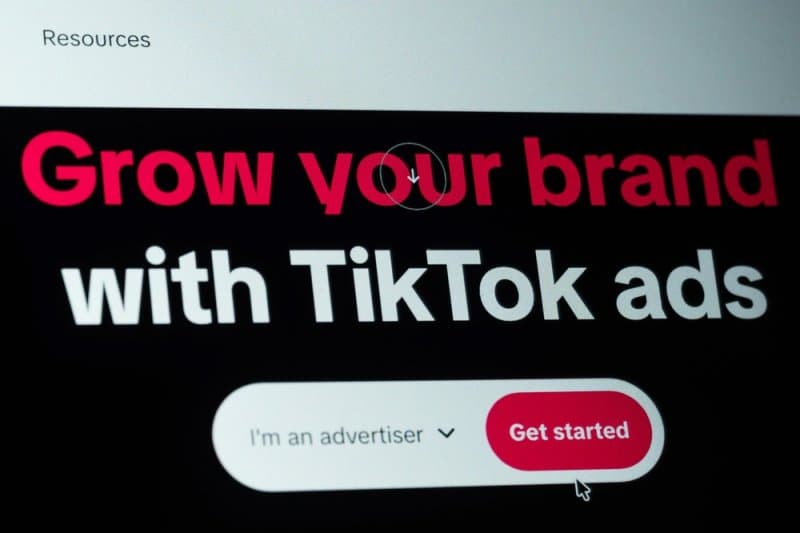
Screen showing “Grow your brand with TikTok ads” and a “Get started” button.

What is the Difference Between Spark Ads vs Partnership Ads?

Quick TakeawaysSpark Ads amplify existing organic posts to build trust.Partnership Ads use dual headers for maximum brand credibility.Creator content consistently outperforms polished brand assets in paid campaigns.Anyseukz authorization workflows ensure eEnzev controls their identity.The optimal strategy often involves a balanced multichannel advertising approach.Every brand wants to cut through the noise of traditional advertising, yet many struggle with low conversion rates. The solution lies in authentic human connection. Choosing the right format, Spark Ads vs. Partnership Ads, determines how effectively your brand earns consumer trust in the digital age. Industry data suggests that leveraging authentic creator content in ads can increase engagement rates by up to thirty percent compared to polished brand creative.Many marketing teams are asking can brands use influencer content in paid ads without breaking the native feel of the user experience. Both Meta and TikTok have developed powerful ad formats to solve this exact problem. Knowing the nuances between these channels is critical for optimizing your return on ad spend.In this guide, we explicitly define these ad types, outline their key operational differences, examine individual benefits, provide a strategic implementation breakdown, and help you select the ideal format for your business growth.What are Spark Ads on TikTok?Spark Ads are TikTok's native ad format that allows brands to boost existing organic videos as paid advertisements. This includes your own brand's posts or, more commonly, user-generated content from creators who have authorized your brand. Spark Ads retain all native functionality, such as the ability to duet, stitch, and use the original audio.When users see a Spark Ad, the video looks exactly like an organic post. It features the original creator's username, profile photo, and organic music link at the bottom. This native integration ensures the highest possible stop rate and view-through rate percentages for your campaigns.What are the Benefits of Utilizing TikTok Spark Ads?Understanding how do TikTok Spark Ads work for creators and brands reveals significant strategic benefits for multichannel advertisers.Authentic Creator Growth: Spark Ads provide significant profile growth potential for content partners because all ad views and engagement attach directly to the creator's organic video, directly helping boost creator profiles.Retained Social Proof: Unlike traditional ads that start from zero likes and comments, Spark Ads keep all the organic likes, comments, and shares, immediately signalling established credibility to new viewers.How to Run Spark Ads Using Creator Content: Brands learn how to run Spark Ads using creator content by securing a unique authorization code directly from the creator app, simplifying the collaboration workflow.What are Partnership Ads on Meta Platforms?Partnership Ads are Meta's advertising format that allows brands to run ads directly from a content creator's handle across Instagram and Facebook. This co-branded approach, formerly known as branded content ads, displays a dual header at the top of the ad, showing both the creator's handle and the brand name.Advertisers utilize their own Ads Manager to set up Instagram Partnership Ads, selecting creator posts, reels, or stories to amplify. This granting of advertising access provides brands with robust targeting capabilities while utilizing the creator's social proof.What are the Benefits of Utilizing Meta Partnership Ads?Knowing how do Meta Partnership Ads work helps brands maximize credibility and conversion potential across Instagram and Facebook.Enhanced Brand Credibility: The dual header feature instantly communicates a genuine endorsement to the creator's dedicated audience, which dramatically increases consumer purchase intent.How to Set Up Instagram Partnership Ads: Marketers learn how to set up Instagram Partnership Ads by sending a digital authorization request directly inside Business Manager, which streamlines legal and creative approvals.Deep Retargeting Capabilities: Partnership Ads allow advertisers to create custom retargeting audiences based on users who have engaged with the creator's content, maximizing lower-funnel conversion opportunities.Must Try: A Guide on Affiliate Marketing vs. Influencer PartnershipsWhat is the Critical Difference Between Spark Ads and Partnership Ads?Understanding the difference between Spark Ads and Partnership Ads helps teams align their creative strategy with the platform's native behavior.Strategic AttributeTikTok Spark AdsMeta Partnership AdsNative FeelMaximum native integrationCo-branded with brand disclosureCall to ActionLinks direct to landing page or profileLinks directly to product pages or appsProfile TrafficDrives significant traffic to creatorEqual traffic distribution between brand and creatorContent LongevityFast-paced, trend-dependent lifecycleSustainable, evergreen visual aestheticA detailed Spark Ads vs Instagram branded content ads analysis shows that TikTok prioritizes a faster, unpolished viral cycle. Meta focuses on robust conversion tools and prolonged content utility for diversified audiences.A Strategic Execution Spreadout for Creator AdvertisingDeveloping a winning strategy spread out ensures you maximize the performance of both creator ad formats based on content maturity and audience funnel stage.Phase One: Testing Organic ContentNever start with immediate boosting. Instead, utilize creator content organically on both platforms first. Identify which video assets are naturally generating the highest organic view times, share rates, and comment volumes.Phase Two: Amplifying Winning TikTok ContentOnce a video asset goes viral or generates unusually high organic engagement on TikTok, immediately secure creator authorization for a Spark Ad campaign. Use broad targeting initially to let the native algorithm find new engaged pockets of trend-conscious users.Phase Three: Scaling Credible Meta CampaignsTake successful creator content that established significant social proof on TikTok or organic Instagram and convert it into a scalable Partnership Ad. Apply complex targeting overlays based on detailed interests or existing customer custom audiences to drive mid- to lower-funnel conversions.Try This: What is Sponsored Content & Why is it Important for Brands?ConclusionMastering the modern social media landscape requires aligning your creative assets with the specific native behaviors of individual platforms. Throughout this comprehensive guide, we explicitly defined how both major creator ad formats function to enhance consumer trust. We examined the distinct benefits of retaining social proof on TikTok alongside the dual header credibility offered by Meta. Furthermore, we provided a practical strategic spreadout to help you identify winning content and scale it effectively across both channels.Maximizing your return on ad spend depends on matching authentic human storytelling with the right platform tools. Investing in humanized marketing strategies builds durable trust with your target audience while driving sustainable business growth.To discover verified content creators, optimize your authorization workflows, and launch high-performing social media ad campaigns, partner with our professional agency team today to elevate your digital marketing success.FAQsAre brands required to disclose creator ad partnerships?Yes, both advertising platforms and federal regulations require strict disclosure of paid partnerships. TikTok Spark Ads automatically display a sponsored label next to the caption, and Meta Partnership Ads use a specialized dual header showing a paid partnership label to ensure complete transparency with consumers.Can a single content creator post be both a Spark and a partnership ad?Yes, a single content asset created by an influencer can be utilized on both platforms simultaneously if the agreement allows. The brand will process distinct authorizations through each platform's specific ads manager, allowing the creative to be optimized as a Spark Ad on TikTok and as a Partnership Ad on Meta.What is the optimal authorization duration for creator ads?The optimal authorization duration for creator ads ranges from thirty to ninety days. This period provides advertising teams with sufficient time to test creative variations, optimize targeting, and scale winning campaigns, without trapping creators in overly restrictive, evergreen licensing agreements.Does engagement matter in creator-led advertisements?Engagement metrics such as comments, shares, and average view duration are critical indicators of ad quality and relevance. High engagement rates on creator led ads directly lower cost per mille rates and cost per click, maximizing campaign performance and return on ad spend on major social platforms.How do these ad formats help reduce ad fatigue?Both ad formats reduce ad fatigue by leveraging authentic human storytelling rather than aggressive corporate sales pitches. Consumers remain engaged with native content far longer than traditional commercials, which significantly extends the effective lifespan and profitability of your creator-led campaign assets.

Desk sign comparing Spark Ads and Partnership Ads.

How to Write an Influencer Contract That Converts?

Quick TakeawaysCreating a detailed influencer contract protects your campaign budget while ensuring creators deliver high-quality content on schedule.Industry benchmark statistics published by Influencer Marketing Hub show that nearly 68 percent of brands encounter project friction due to vague agreement terms.Outlining clear deliverable expectations prevents costly misunderstandings regarding video lengths, posting formats, and revision rounds.Establishing explicit content usage rights ensures your marketing team can legally repurpose creator assets across paid advertising channels.Including FTC disclosure guidelines protects both brands and creators from severe regulatory penalties during active campaign launches.Launching a new creator campaign should feel like an exciting leap forward for your business growth. However, moving forward without a formal influencer contract can quickly turn creative excitement into legal headaches, missed deadlines, and lost marketing dollars. Recent industry metrics from Influencer Marketing Hub reveal that over 68 percent of marketing managers experience project delays due to unclear contractual terms.Protecting your brand reputation requires setting firm legal boundaries right from the start. When expectations surrounding payment schedules and image usage remain ambiguous, both companies and content creators risk significant financial disappointment. In this comprehensive creator management guide inspired by Modash, we will explore core contract principles, outline must-have terms in influencer contracts, examine usage rights, break down payment structures, and answer your top partnership questions.What are the Must-Have Terms in Influencer Contracts?Understanding what are the terms to be included in an influencer contracts ensures your legal agreements remain fully enforceable while protecting campaign ROI:Detailed Scope of Work: Specify exact deliverable counts, such as two Instagram Reels, three TikTok posts, or one dedicated YouTube integration.Strict Content Specifications: Define video resolution, aspect ratios, required brand tags, promo codes, and campaign hashtags explicitly.Editing and Approval Protocols: Set clear deadlines for draft submissions and cap revision rounds so creators know what to expect before going live.Clear FTC Compliance Rules: Mandate visible disclosure tags like #ad or #sponsored above the fold on all social media channels.Clearly defining these core influencer contract terms and conditions removes ambiguity and establishes a professional foundation for long-term collaboration.Essential Influencer Contract Terms and Conditions for Usage RightsEvaluating influencer agreement terms regarding content ownership prevents costly copyright disputes after campaign completion:Organic vs Paid Usage DurationDefine whether your brand owns the right to repost creator content organically on official social channels or if paid advertising rights are included. State exact licensing windows, such as 30, 90, or 365 days.Paid Media Whitelisting RightsClarify if your marketing team can run targeted ad campaigns directly through the creator's personal handle. Whitelisting boosts consumer trust, increases click-through rates, and allows precise audience targeting.Content Permanence and Deletion RulesRequire creators to keep sponsored posts live on their primary social feeds for a minimum agreed timeframe, such as twelve months, rather than deleting posts early.Comparing Key Influencer Contract Terms ExamplesReviewing real-world influencer contract terms examples helps campaign managers draft fair, transparent, and legally binding clauses:Contract Clause CategoryStandard Protection ClauseHigh-Protection Agency ClausePayment ScheduleNet 30 payment upon campaign completionMilestone payments are split 50 percent upfront and 50 percent upon final deliveryUsage Rights90-day organic social media usage1 year perpetual usage across all paid digital, website, and email channelsExclusivity Period14 days post-campaign exclusivity60 days pre-campaign and post-campaign market category exclusivityFTC ComplianceThe creator must follow general FTC guidelinesThe creator must place #ad visibly above the fold in captions and state sponsorship verballyManaging FTC Guidelines in Your Influencer Collaboration ContractStructuring a compliant influencer collaboration contract requires strict adherence to Federal Trade Commission regulations:Visible Text Placement: Require creators to place clear disclosures like #ad or #sponsored in the first two lines of text captions.Verbal Video Disclosures: Mandate that creators state the paid partnership verbally within the first thirty seconds of video content.Superimposed Screen Overlays: Ensure story posts and short-form videos feature high-contrast text overlays stating the brand relationship clearly.Including these explicit compliance rules protects your business from regulatory audits while building genuine trust with consumers.Must Try: Influencer Brand Collaboration Guidelines, Examples & Tips5 Steps to Finalize an Effective Influencer ContractFollowing a structured contract workflow guarantees your legal documents protect every asset before launching your campaign:Define Campaign Scope and Deliverables: List all required video formats, posting schedules, account tags, and campaign hashtags in writing.Determine Compensation and Payment Milestones: State total fee amounts, payment triggers, net schedules, and optional performance bonuses.Set Content Usage and Whitelisting Parameters: Clarify where, how long, and on what ad channels your team can run creator media assets.Outline Brand Safety and Termination Clauses: Include morals clauses allowing immediate contract cancellation if creator behavior damages company reputation.Collect Signatures via Digital Signing Platforms: Send completed agreements via secure electronic signature tools before shipping products or releasing funds.ConclusionDrafting a comprehensive and legally sound influencer contract is the cornerstone of building successful, long-term relationships with digital creators. Throughout this guide, we defined essential agreement clauses, detailed content usage rights, compared contract term examples, reviewed FTC compliance rules, and outlined step-by-step negotiation protocols. When brands provide clear scope guidelines, fair payment schedules, explicit usage boundaries, and transparent editing protocols, campaigns run smoothly without unexpected misunderstandings. Protecting your marketing investments through structured legal agreements ensures high-quality creative assets, predictable campaign timelines, and maximum return on investment. Taking time to establish professional contracts today secures your brand reputation and elevates your entire creator marketing strategy.Are you ready to streamline your creator partnerships, protect your campaign investments, and execute high-impact influencer campaigns with complete legal confidence? Partner with expert campaign strategists and industry leaders today to scale your brand effectively!FAQsWhat happens if an influencer fails to deliver content on time?If an influencer fails to deliver content by agreed deadlines, a well-structured contract allows brands to withhold final payments, request full refunds of upfront deposits, or terminate the partnership entirely. Including late delivery penalty clauses or clear revision schedules helps prevent timeline delays during active promotional launches.What is a morals clause in an influencer contract?A morals clause grants brands the legal right to terminate an influencer partnership immediately if the creator engages in illegal, unethical, or controversial behavior that harms company reputation. It protects your brand image by severing financial ties and revoking campaign materials without incurring breach of contract penalties.Can an influencer negotiate contract terms before signing?Yes, influencers frequently negotiate agreement terms regarding usage rights, exclusivity periods, payment schedules, and revision rounds. Allowing reasonable negotiation fosters mutual respect and builds stronger collaborative relationships, ensuring both parties feel satisfied with the final project scope and financial compensation.What is content whitelisting in influencer marketing contracts?Content whitelisting grants brands permission to run paid social media advertisements directly through a creator's personal handle rather than the brand's business page. This advertising technique increases ad credibility, boosts click-through rates, and allows precise audience targeting while leveraging the creator's authentic social footprint.How long should exclusivity last in an influencer agreement?Exclusivity duration varies based on compensation, but typically lasts between thirty and ninety days post-campaign. Longer exclusivity periods prevent creators from working with direct market competitors, protecting brand message clarity and ensuring your product remains top of mind for the creator's dedicated audience during launch windows.

Business professional presenting a contract document beside a judge's gavel and scales of justice.

Why are Long-Term Influencer Partnerships Essential for Brands?

Quick TakeawaysTransitioning to long-term influencer partnerships turns transactional ad placements into authentic brand ambassadorships.Research from Modash reveals that over 60% of influencer marketers prioritize long-term creator collaborations to sustain audience trust.Extended creator contracts significantly reduce negotiation overhead, lower overall content creation costs, and improve creative output predictability.Running initial trial campaigns ensures brand alignment before committing creators to multi-month or annual contracts.Tracking long-term conversion data allows marketing teams to accurately measure influencer marketing attribution and overall campaign return on investment.Stepping away from one-off sponsored posts to build lasting relationships with creators is the single most effective way to elevate modern social marketing. Securing sustainable long-term influencer partnerships allows brands to cultivate deep consumer trust while maximizing content production budgets. According to industry data published by Modash, over 60% of influencer marketers actively prioritize long-term creator relationships to drive consistent customer acquisition and foster audience loyalty.Relying solely on single-post campaigns often results in ad fatigue, high creator onboarding costs, and unpredictable conversion performance. Establishing multi-month collaborations enables influencers to weave your brand story into their daily lives organically. In this comprehensive strategy guide inspired by Modash, we will explore key influencer partnership benefits, outline how to build long-term influencer partnerships, how to create successful influencer partnerships, detail selection criteria, explain retention tactics, and review performance tracking methods.What is a Long-Term Influencer Partnership?A long-term influencer partnership is an extended strategic collaboration where a brand and a content creator commit to working together over a multi-month or annual timeframe.Unlike transactional, one-off sponsored posts that focus on short-term spikes in awareness, long-term partnerships transform creators into genuine brand ambassadors. The influencer continuously integrates the brand's products or services into their regular content stream across various campaigns and formats. This ongoing relationship allows the creator to share real progress, seasonal usage, and authentic experiences with their audience over time.What are the Main Benefits of Long-Term Influencer Partnerships for Brands?Understanding the primary benefits of long-term influencer partnerships for brands highlights why continuous collaborations outperform transactional campaigns. Here are the influencer partnership benefits:Enhanced Authenticity and Audience Trust: Repeated exposures across different media formats demonstrate genuine brand affinity, making product recommendations feel natural rather than forced.Cost and Time Efficiency: Longer commitments allow brands to negotiate bundled deliverable rates, eliminating repetitive contract negotiations and reducing onboarding times.Higher Content Predictability: Working with familiar creators delivers consistent production quality, predictable engagement windows, and reliable sales funnel metrics.Expanded Creative Opportunities: Extended contracts allow influencers to share long-term usage results, offer unboxing sneak peeks, and test multi-angle storytelling formats.Essential Reads: What are the Do's and Don'ts of Influencer Collaborations?How to Choose the Right Influencers for Long-Term Collaborations?Knowing how to choose the right influencers for long-term collaborations prevents costly mismatch mistakes and ensures healthy long-term campaign yields. Selecting high-growth creators ensures that fresh prospective customers view your branded content continuously, preventing reach stagnation. Evaluating potential partners across specific criteria guarantees strong strategic alignment. Here are the influencer relationship management tips for you before confirming one:1. Audience Demographics and Target Persona FitAnalyzing a creator's follower location, age breakdown, and interests ensures your marketing message directly reaches your ideal buyer personas. A close demographic match guarantees that promotional content drives relevant traffic and qualified sales leads.2. Consistent Audience Growth RateEvaluating whether a creator gains new followers steadily helps protect your campaign from audience saturation and fatigue. Partnering with growing accounts ensures that your brand continuously gains exposure to new potential customers over the life of the contract.3. Brand Values Alignment and SafetyReviewing a creator's historical content tone, political stance, and past commercial partnerships protects your brand safety and public reputation. Long-term partners represent your brand identity publicly, making shared values essential for long-term success.4. Communication Quality and ProfessionalismAssessing a creator's responsiveness, punctuality, and feedback receptivity during initial trial campaigns guarantees smooth influencer relationship management. Reliable communication ensures deliverables arrive on schedule without ongoing management friction.Try This: Influencer Brand Collaboration Guidelines, Examples & TipsHow to Build Long-Term Influencer Partnerships Step by Step?Learning how to build long-term influencer partnerships requires a structured operational workflow and top influencer collaboration strategies:Run a Paid Trial Period: Begin with a one-off sponsored post or gifting activation to evaluate creator work ethic, content quality, and audience response.Review Initial Performance Data: Analyze conversion rates, click-through volume, and engagement quality to verify performance potential.Negotiate Extended Retainers: Propose multi-month or annual ambassador agreements featuring bundled deliverables and performance bonuses.Provide Creative Freedom: Share clear brand guidelines while empowering creators to tailor messaging to their community's unique voice.Establish Regular Check-Ins: Maintain transparent communication channels to share campaign updates, review metrics, and brainstorm new content themes.Establishing systematic influencer collaboration strategies transforms casual content creators into dedicated brand ambassadors.How to Maintain Successful Brand Influencer Collaborations Long-Term?Discovering how to maintain successful brand influencer collaborations prevents creator burnout and keeps sponsored messaging fresh:Switch Up Creative Angles RegularlyAvoid creative fatigue by pivoting content briefs periodically. Encourage long-term partners to highlight secondary value propositions, demonstrate long-term product durability, or showcase seasonal usage scenarios.Amplify High-Performing Content With Paid AdsBoost top-performing influencer posts through whitelisting or Spark Ads. Amplifying proven creator assets extends reach beyond organic followers while maximizing return on creator usage rights.Must Try: The New Era of Influencer Brand Collaborations in 2026How to Measure ROI From Long-Term Influencer Partnerships?Understanding how to measure ROI from long-term influencer partnerships requires evaluating data across the entire customer conversion journey:Sales Attribution Tracking: Track direct conversions using unique affiliate links, personalized promo codes, and dedicated landing pages.Customer Lifetime Value (LTV): Measure whether long-term creator referrals produce higher retention rates and repeat purchase values over time.Content Repurposing Savings: Calculate cost savings achieved by reusing creator-generated assets across paid social channels, website landing pages, and email campaigns.Engagement and Reach Velocity: Monitor long-term impressions and interaction volume to verify steady brand awareness growth.Consistently analyzing long-term influencer relationships ensures your marketing budget targets the highest-performing ambassador partnerships.ConclusionBuilding long-term influencer partnerships is a powerful approach for turning transactional influencer spend into scalable, high-ROI marketing programs. Throughout this strategic guide, we explored primary influencer marketing partnerships, outlined selection criteria, detailed onboarding workflows, shared maintenance tactics, and explained how to measure long-term financial returns. Moving away from fragmented one-off posts builds genuine consumer trust, streamlines campaign operations, and drives predictable sales growth. By vetting creators carefully, nurturing relationships transparently, and optimizing creative messaging continuously, your organization can build an unstoppable creator ambassador program.Are you ready to elevate your creator strategy, streamline ambassador workflows, and scale your brand partnerships with complete confidence? Connect with leading influencer management specialists today to transform your social strategy into long-term growth!FAQsWhat is the difference between short-term and long-term influencer partnerships?Short-term partnerships involve single sponsored posts or brief product launch campaigns focused on a fast spike in awareness. Long-term partnerships are multi-month or annual contracts where creators act as ongoing brand ambassadors, continuously promoting products to build deep audience trust and sustained sales over time.How do brands prevent audience fatigue in long-term partnerships?Brands prevent audience fatigue by partnering with fast-growing creators who gain new followers regularly, varying content formats (such as Stories, Reels, and unboxings), introducing new product lines, and shifting creative angles to highlight different benefits or long-term product usage experiences over time.What payment structures work best for long-term influencer contracts?The most effective payment structures for long-term agreements combine a stable monthly base retainer with performance-based bonuses, such as affiliate commissions per sale or performance incentives for hitting view thresholds. Bundling multi-post deliverables into fixed contracts also helps brands secure discount rates.How long should a paid influencer trial period last?A paid influencer trial period typically lasts between 30 and 60 days, covering two to three content deliverables. This window provides sufficient time and data to evaluate creator communication, turnaround punctuality, content production quality, audience engagement rates, and initial sales conversion potential before signing extended contracts.Can small and mid-sized brands afford long-term influencer partnerships?Yes, small and mid-sized brands can build highly effective long-term partnerships by focusing on nano- and micro-influencers. Offering competitive monthly retainers, gifting product refills, and providing attractive affiliate commission tiers allows growing brands to secure dedicated ambassadors without massive enterprise ad budgets.

Business professionals shaking hands during a collaborative partnership meeting.

How to Become a Social Media Influencer and Build a Brand?

Quick TakeawaysBuilding a career as a social media influencer requires identifying a clear niche and consistently delivering engaging value to a target audience.Creator market research from Goldman Sachs indicates the global creator economy will reach $480 billion by 2027, driven by brand partnerships.Nano- and micro-influencers often achieve higher average engagement rates than mega-celebrities due to tighter community trust.Effective social media content creation relies on maintaining a consistent posting schedule and producing authentic, high-quality visual stories.Developing strong personal branding on social media establishes credibility and turns casual viewers into loyal brand advocates.Stepping into the world of digital creator culture and turning your passion into a thriving career is an exciting path. Becoming a successful social media influencer allows you to share your unique voice, build a vibrant community, and monetize your creative skills. According to financial industry analysis by Goldman Sachs, the creator economy is expanding rapidly, with projections reaching $480 billion worldwide as brands shift advertising budgets toward authentic digital storytellers.Launching a creator career requires far more than posting occasional photos or viral videos. It demands a clear strategy, consistent audience engagement, and intentional brand building to stand out in crowded digital feeds. In this comprehensive step-by-step guide inspired by digital learning resources from Adobe Express, we will explore the main types of social media influencers, share strategic social media influencer tips, explain how to choose a niche as a social media influencer, and detail how to grow social media followers sustainably.What is a Social Media Influencer?A social media influencer is a content creator who has established credibility, authority, and an active audience within a specific niche across digital platforms.Rather than relying on traditional celebrity status, social media influencers build genuine connections by sharing authentic experiences, expert advice, tutorials, and entertaining insights. Because their audience trusts their opinions, influencers have the power to shape consumer trends, guide buying decisions, and drive meaningful engagement for brand partners.What are the Main Types of Social Media Influencers?Understanding different types of social media influencers helps emerging creators position themselves effectively within the digital marketing landscape:Nano Influencers (1,000 to 10,000 Followers): Known for hyper-local influence, highly personal connections, and exceptional audience engagement rates.Micro Influencers (10,000 to 100,000 Followers): Highly specialized topic experts who offer brands incredible niche audience targeting and high conversion trust.Macro Influencers (100,000 to 1,000,000 Followers): Established creators who deliver massive broad reach and professional production value for major consumer campaigns.Mega Influencers (Over 1,000,000 Followers): A-list internet stars and celebrities who drive huge brand visibility across global markets.How to Choose a Niche as a Social Media Influencer?Discovering how to choose a niche as a social media influencer is the foundational step toward building long-term audience authority.Focusing on a specific domain helps you build credibility quickly, as audiences follow creators who consistently solve specific problems or deliver focused entertainment. For instance, in Beauty and Fashion, creators focus on style lookbooks, makeup tutorials, and product reviews to inspire personal confidence and trend awareness. In fitness and wellness, influencers share workout routines, meal plans, and mental health advice to encourage healthy habits and daily motivation.Similarly, tech and gaming creators deliver expert product breakdowns, software guides, and unboxings to provide technical guidance. Meanwhile, travel and lifestyle influencers connect through destination vlogs, hotel reviews, and daily routines that foster cultural discovery and visual storytelling. Choosing a focused topic aligns your passion with audience expectations.How to Build a Personal Brand on Social Media?Mastering how to build a personal brand on social media establishes a cohesive identity that sets you apart from competing channels.Building a strong personal brand requires thoughtful attention to foundational creative elements. Developing a distinct visual identity, such as maintaining consistent color palettes, fonts, and editing filters, creates instant recognition across busy social feeds. Establishing a clear brand voice across video scripts and captions builds deep emotional connection and long-term audience trust.Additionally, defining core values on relevant industry topics helps attract like-minded followers and aligned brand partners. Structuring your content calendar around three to five repeating content themes keeps your channel predictable, engaging, and easy for new viewers to follow. Establishing strong personal branding on social media ensures that brand sponsors immediately recognize your professional value and audience fit.Must Try: Who are the Top 6 Lifestyle Influencers in 2026?How to Create Content for Social Media Influencers Step by Step?Learning how to create content as a social media influencer efficiently requires structured workflow planning.Research Trending Topics: Monitor platform trends, relevant hashtags, and community questions to uncover fresh content ideas.Draft a Content Calendar: Organize your publishing schedule across channels to maintain consistent posting frequency.Produce High-Quality Visuals: Utilize bright lighting, crisp audio, and clean framing during recording sessions.Edit for Platform Specs: Trim videos for fast pacing, add dynamic text captions, and format aspect ratios for mobile devices.Craft Engaging Captions: Write compelling text hooks, include clear calls to action, and add relevant discovery hashtags.Streamlining your social media content creation workflow prevents creator burnout and maintains steady channel growth.Essential Social Media Influencer Tips for Growing Your AudienceApplying proven social media influencer tips accelerates channel momentum and strengthens community connections:Optimize Your Bio Profiles: Craft concise profile bios that state your niche focus, location, and business contact email clearly.Engage With Your Community Daily: Reply to comments, answer direct messages, and host live Q&A sessions to build real relationships.Collaborate With Peer Creators: Partner with creators in complementary niches to cross-promote content and reach new audiences.Analyze Platform Performance Metrics: Review view duration, save counts, and click rates weekly to refine your creative strategy.Understanding how to grow your audience as a social media influencer relies on treating content creation as a professional, data-guided business.How to Start a Career as a Social Media Influencer and Monetize?Discovering how to start a career as a social media influencer culminates in building sustainable revenue streams.Once you establish an active community, diversify your income through sponsored brand deals, affiliate marketing links, digital product sales, and creator fund payouts. Pitching brands with a professional media kit that highlights audience demographics and engagement statistics positions you as a valuable marketing partner.ConclusionEmbarking on the path to becoming a social media influencer is a rewarding journey that blends passion, storytelling, and strategic business planning. Throughout this guide, we explored what an influencer is, primary influencer categories, detailed how to select a focused niche, outlined steps for personal branding, provided a practical content creation workflow, and shared audience growth tips. Building a lasting creator presence requires patience, consistent effort, and genuine commitment to your audience. By defining a clear personal brand, creating high-quality content, and engaging with your community daily, you can transform your creative vision into a thriving digital career.Are you ready to elevate your personal brand, streamline your campaign management, and connect with premier brand partnerships? Explore modern talent management and digital marketing solutions today to unlock your full creator potential!FAQsHow many followers do you need to start making money as an influencer?You can start earning income as a micro-influencer with as few as 1,000 to 5,000 followers. Brands value high engagement rates and niche audience trust over massive follower numbers, often offering gifted product collaborations, affiliate commission structures, or paid posts to smaller, highly active channels.Which social media platform is best for beginner influencers?The best platform depends on your primary content style. Instagram and TikTok are ideal for visual storytelling, short-form video, fashion, and lifestyle topics. YouTube excels for long-form video tutorials and deep product reviews, while LinkedIn works best for business, tech, and professional thought leadership.How do beginners pitch brands for sponsored content collaborations?Beginners can pitch brands by creating a professional media kit that showcases account statistics, top content samples, and audience demographic data. Reach out to brand marketing managers via professional email, expressing genuine affinity for their products and proposing clear content ideas that benefit their business goals.How often should you post content to grow your following fast?Consistency matters more than extreme volume, but posting three to five high-quality short-form videos per week accelerates platform algorithm reach. Maintaining a regular publishing schedule keeps your channel active, sets audience expectations, and provides regular data points to optimize your creative strategy.What essential equipment do you need to start creating content?You do not need expensive cinema cameras to start. A modern smartphone with a clean camera lens, a simple ring light or natural window lighting, a budget-friendly clip-on lapel microphone, and a basic mobile video editing app are fully sufficient to produce professional-quality social content.

Influencer shows excitement for social media engagement

Find The Right Influencer Marketing Platform For Your Brand

Key TakeawaysPick a platform that matches your campaign's real needs-not just the one loaded with features you might never use.Focus on what counts: the quality of creators, how well their audiences line up with yours, the price, and how smoothly the platform handles workflow and reporting.A good influencer platform should make your life easier, not just move busywork onto another dashboard.Discovery is important-finding the right creators matters-but smooth campaign management counts just as much.Take time to actually compare how platforms handle real campaign workflows before you decide.Influencer campaigns sound simple: find creators, send out products, get content published, and check the results. In reality, brands get stuck with messy spreadsheets, mismatched audiences, confusing pricing, and scattered campaign data. The right platform removes a lot of that chaos-but only if its features actually fit your process.Small e-commerce brands may just need quick creator discovery. Larger teams often care more about contracts, payments, and detailed reports. That's why you need to compare how each platform handles your must-haves-instead of just going for the one with the most features. In this blog, we're breaking down five platforms and sharing tips for picking the best influencer platform for your brand.Choosing an Influencer Marketing PlatformThe first step is identifying what your influencer marketing platform must actually accomplish for your team.Influencer Platform for BrandsAn influencer platform for brands should solve a specific operational problem rather than simply provide access to thousands of creators. Start with campaign type, creator size, target market, content format, and expected campaign volume.For example, a skincare brand launching ten micro-influencer campaigns needs a different workflow from a national fashion company running hundreds of collaborations. The influencer platform for brands should fit that difference.A practical evaluation should include:Creator discovery and filteringAudience and creator analyticsCampaign communicationContent managementPayments and contractsReporting and performance trackingThe strongest influencer marketing platform is not automatically the one with the most features. It is the one your team can use consistently.Influencer Marketing SoftwareInfluencer marketing software becomes valuable when campaign activity grows beyond a few manual collaborations. Instead of switching between spreadsheets, email, payment tools, and social platforms, teams can bring several steps into one workflow.Look at how much work remains manual. If your influencer marketing software still requires constant copying of creator details, campaign status, or performance figures, the promised efficiency may not be there. Small details become expensive when campaigns multiply.Don't Miss: How Can Affiliate Marketing Strategies Scale Revenue?Comparing the Best Influencer Marketing PlatformsThe best influencer marketing platforms differ considerably in their approach, so comparison should focus on practical use rather than broad feature claims.Influencer Discovery PlatformAn influencer discovery platform is mainly useful when finding relevant creators is the biggest bottleneck. Search filters, creator categories, audience information, and content style can narrow a huge creator pool into a workable shortlist.For example, a fitness-food brand might search for creators whose content already includes nutrition, workouts, and healthy meals. That is more useful than simply searching for creators with a large follower count.Influencer Campaign PlatformAn influencer campaign platform becomes more important after creators have been selected. Communication, deliverables, approvals, payments, and reporting can become difficult when handled separately.A campaign-heavy brand should test the workflow before committing. The influencer campaign platform should make campaign progress visible, not create another dashboard that nobody checks.PlatformUseful ForKey ConsiderationThe AgencyBrand-creator campaigns and creator discoveryUseful when brands want discovery plus campaign-focused workflowsCollaborateCreator collaborations and marketplace-style campaignsGood fit for brands seeking direct creator partnershipsUpfluenceInfluencer management and creator analyticsSuits teams needing broader campaign infrastructureGRINLarger creator programs and relationship managementBetter suited to structured, ongoing programsAspireCreator partnerships and campaign managementUseful for brands managing broader creator communitiesThe comparison is only a starting point. Pricing, access, creator coverage, and available features can vary by plan, market, and account type.Suggested Reading: How to Build a Brand on Instagram for Trust and Loyalty?How Do the Influencer Marketing Platforms Differ?Each influencer marketing platform approaches creator marketing slightly differently, which affects the type of brand that may find it useful.The Agency and CollaboratorThe agency can suit brands that want influencer discovery combined with a campaign-oriented approach. Platforms really matter when you're still spending time finding the right creators. That's where Collaborator makes things easier.It's designed for direct creator-brand partnerships, so it's handy if you want to zero in on specific creators and set up collaborations right away. The main difference is really about how you like to work: do you want structured campaign management or a more straightforward, hands-on approach?Upfluence and GRINIf you're after a more all-in-one influencer marketing system, Upfluence fits that bill. It covers creator discovery, campaign tracking, and analytics-the whole run. It works best for teams who are past just trying influencer campaigns and are looking for a broader, ongoing process.Then there's GRIN. It's built for bigger influencer programs and managing ongoing creator relationships. If your brand runs partnerships regularly, you need something to keep everything organized. Don't use the same process for one-off campaigns that you'd use for long-term programs-they require different tools.Aspire as an Influencer Campaign PlatformAspire is another option, with a big emphasis on campaign workflow and creator partnerships. It can be relevant for brands managing multiple creators, content collaborations, and ongoing relationships.An influencer campaign platform should be judged by what happens after the creator agrees to work with you. Can your team track deliverables? Are approvals clear? Can results be reviewed without rebuilding the campaign manually?That is where real efficiency shows.What To Check Before Choosing?A short evaluation process can prevent a costly platform switch later.Influencer Marketing Software EvaluationBefore selecting influencer marketing software, ask your team to run one realistic campaign through the platform. Do not rely only on demonstrations. So, always match your choice to your actual needs-your own criteria for creators, what kind of campaigns you're running, and your reporting requirements.Think about these questions:How easy is it to discover the right creators with smart filters?Can you tell if their audiences actually fit, or are you just counting followers?Is the workflow set up so your team can communicate and handle deliverables in one place?Are campaign results understandable without heavy manual work?Will the workflow still work when creator volume increases?This practical test gives a better picture than a feature checklist.Influencer Platform for Brands SelectionAn influencer platform for brands should also match internal resources. Small marketing teams usually want things to be simple and efficient, while bigger organizations need things like permissions, approval structures, thorough reporting, and repeatable processes.Budget matters, sure. But the cheapest platform isn't always the one that saves you the most in the long run. Time spent cleaning spreadsheets or chasing campaign updates is also a business cost.A simple example: if a platform saves several hours each week across a marketing team, its value may be greater than a cheaper tool requiring constant manual work.Also Read: Social Media Content Calendar: A Guide for MarketersConclusionStart with your real campaign workflow. See how each option handles creator discovery, audience fit, communication, reporting, payments, and whether it'll grow with you. Don't get blinded by a long feature list; focus on what you'll actually use. Every brand works differently and has different budgets and strategies, so the "best" platform depends on how you work.Make sure your chosen platform actually saves time and effort. Try running a test campaign before you commit, especially if this tool will be a regular part of your marketing. If you need smooth creator discovery and easy campaign execution, take a look at The Agency-it's worth checking out.Frequently Asked QuestionsCan influencer platforms help with gifted campaigns?Definitely. Most tools for influencer campaigns can work for product gifting too, though features differ a bit. Brands need to make sure their platform handles product tracking, shipping details, and creator deliverables all in one spot.Should you use more than one influencer platform?It's an option-especially if you want a wider range of creators or campaign styles. But honestly, managing several platforms can get messy. You end up with double entries and extra hassle keeping everything organized.How often should you review performance?Review after each campaign. Then compare across a few campaigns to spot patterns. One post isn't enough to really judge a creator relationship.What about influencer marketing platforms for small brands?Influencer marketing platforms can help small brands, as long as they cut down research time and admin work. The big question is whether the cost matches what you want to get out of it.What should go in an influencer brief?Your brief should include campaign goals, the type of content you need, main messages, deadlines, usage rights, disclosure rules, and any brand restrictions. Clear briefs save lots of headaches and cut down on revisions later.

Influencer Marketing Strategy

How Can Affiliate Marketing Strategies Scale Revenue?

Quick TakeawaysThe global performance market crossed $17B and is expanding toward $20B.Over 80% of online brands rely on performance partnerships to acquire qualified buyers.Specializing deeply in a single niche builds stronger audience trust than managing generic blogs.Recurring SaaS payouts provide more stable long-term revenue than one-time commission models.Building multi-channel traffic channels protects your online earnings from sudden search algorithm shifts.Building a consistent revenue stream online often feels frustrating when ad costs rise, and search algorithms shift without warning. Many digital creators work endless hours publishing articles without seeing steady click conversions or growing payout totals. Recent industry data shows the global affiliate market surpassed 17 billion dollars and is surging toward 20 billion dollars. This growth presents a massive financial opportunity for content creators, email marketers, and store owners who adopt structured performance models.Struggling with low conversion rates after pouring hours into content creation can feel completely overwhelming. You deserve a practical framework that converts everyday traffic into reliable monthly income.In this guide, we break down proven affiliate marketing strategies, explain how to build a high-converting affiliate marketing plan, share actionable affiliate marketing tips, and detail advanced affiliate marketing techniques to scale your digital campaigns.What is an affiliate marketing strategy?An affiliate marketing strategy is a structured operational plan designed to promote third-party solutions while earning commissions on generated sales. Rather than placing random referral links across a website, successful publishers align every offer with direct audience search intent. This approach ensures every recommendation solves a clear consumer problem.Why Is an Affiliate Marketing Plan Vital for Growth?Publishing without a defined roadmap causes wasted ad spend and inconsistent content output. A well-designed affiliate marketing plan identifies your target customer profiles, selects high-converting merchant partners, and establishes core distribution channels. It keeps your growth organized and measurable across every digital touchpoint.What are the key benefits of affiliate marketing strategies?Implementing targeted affiliate marketing strategies offers distinct operational advantages for digital entrepreneurs:Scalable Revenue Streams: Earn recurring commissions from evergreen content without managing inventory or customer support.Low Upfront Costs: Start generating online income with minimal capital investment compared to launching traditional e-commerce stores.Diversified Payout Sources: Partner with multiple reputable merchants across your niche to eliminate dependence on a single income source.Data-Driven Optimization: Leverage real-time conversion tracking to execute continuous affiliate marketing optimization.Flexible Execution: Deploy affiliate marketing techniques across blogs, email newsletters, and social channels effortlessly.Key Steps to Improve Affiliate Marketing PerformanceScaling your performance campaigns requires a systematic approach to channel management and conversion optimization:Niche Narrowing: Go narrow and deep in a specific topic vertical to establish undeniable topical authority.Merchant Vetting: Select established networks offering high-converting landing pages and competitive commission structures.Intent Content Creation: Produce deep product reviews, comparisons, and step-by-step tutorials that guide buyer decisions.Contextual Placement: Integrate referral links naturally within high-engagement sections of your content.Campaign Auditing: Track click rates and bounce metrics to refine underperforming affiliate marketing campaigns continuously.How to Deploy the Best Affiliate Marketing Strategies for Sustainable Growth?Executing successful campaigns requires choosing high-value merchant offers and building multi-channel resilience.Prioritize Recurring and High Ticket Commission ModelsPromoting software subscriptions and high-ticket digital products builds stable baseline earnings over time. While single payouts provide immediate cash, recurring models compound your monthly revenue. Applying these affiliate marketing strategy tips protects your digital business against seasonal drops.Diversify Distribution to Protect TrafficRelying entirely on organic search leaves your income exposed to sudden search algorithm updates. Top performers combine search traffic with dedicated email lists, social channels, and targeted paid campaigns. Learning how to improve affiliate marketing performance means owning direct relationships with your readers.Promotional ChannelCore FocusIdeal PurposeContent BlogsIn-depth product reviews & tutorialsCapturing high purchase intent search trafficEmail ListsDirect subscriber communicationPromoting exclusive software deals & recommendationsSocial MediaShort-form video proof & demosDriving impulse engagement and quick conversionsReview SitesFeature comparisons & pricing breakdownsConverting mid-funnel comparison shoppersPractical Affiliate Marketing Tips to Boost ConversionsApplying tested affiliate marketing techniques elevates user trust and maximizes conversion rates across your platform.Focus on Problem-Solving ContentWrite comprehensive guides that address reader pain points directly. When audiences receive clear advice backed by real user insights, they click your referral links with confidence.Execute Continuous Affiliate Marketing OptimizationRegularly review link placements, site loading speeds, and reader engagement metrics. Minor updates to your call-to-action buttons or layout design can significantly increase total monthly referral sales.Leverage Comparison Tables and Visual CalloutsPresenting side-by-side feature comparisons allows readers to make informed purchasing decisions quickly. Scannable summary boxes with clear recommendation badges significantly decrease decision friction for high-intent buyers.Optimize for Mobile-First Checkout ExperiencesEnsure all promotional landing pages and link placements function seamlessly on mobile devices. A vast majority of digital shoppers complete purchases via smartphones, making mobile responsive design essential for converting traffic.Add Authentic Social Proof and Personal Case StudiesIncorporate real usage screenshots, personal results, or video walkthroughs within your product reviews. Demonstrating genuine experience with a product builds unmatched trust and dramatically increases click-through rates.Must Try: What is Instagram Affiliate Marketing & How Brands Do It?ConclusionBuilding a profitable performance model requires clear positioning, quality content, and systematic testing. Throughout this guide, we explored how modern performance channels operate, examined the key elements of a structured growth plan, and detailed practical tactics to boost conversion rates. We also highlighted the advantages of recurring software commissions, multi-channel distribution, and data-driven link placement. By focusing on genuine consumer needs and delivering helpful product reviews, you can build a resilient digital revenue engine that scales year after year.Taking control of your digital growth starts with aligning your promotional channels with user intent. Elevate your traffic conversions, streamline your campaign tracking, and unlock your true earning potential by partnering with experienced growth strategists today. Transform your digital channels and accelerate your growth path by visiting theagency.com now.FAQsWhat is the average time frame to see income from new performance sites?Generating consistent revenue from a new performance website generally takes three to six months of active publishing and keyword optimization. Initial timeline variations depend on target niche competition, search indexing speed, and content depth. As your platform builds domain trust and search visibility, user clicks turn into regular monthly commission payouts.Which Key Tracking Metrics Should Marketers Review Daily?Marketers should monitor click-through rates, conversion percentages, earnings per click, and average transaction values daily. Evaluating these operational indicators helps identify top-performing review pages and spot underperforming promotional links. Regular data reviews ensure you invest energy into campaigns that yield maximum financial return.Can Entrepreneurs Run Successful Affiliate Campaigns Without Websites?Yes, entrepreneurs can successfully promote affiliate links using social channels, video platforms, dedicated email newsletters, or targeted paid media campaigns. However, owning a dedicated website provides superior long-term brand control, stronger topical authority, and continuous organic search traffic.What Distinguishes Pay Per Sale From Pay Per Lead Affiliate Models?Pay per sale awards a commission only when a referred buyer completes a paid purchase transaction. Pay per lead rewards affiliates when a user completes an action like signing up for a trial or downloading a guide. Pay per sale models typically offer significantly higher payout values per conversion.How Should You Evaluate Merchant Programs Before Promoting Them?Evaluate prospective merchants by checking overall brand reputation, cookie window duration, average conversion rates, and payout punctuality. Partnering with established merchants protects your hard-earned audience trust and guarantees higher conversion rates over the long term.

Affiliate marketing concept

Shoppable Content: Turning Content Into a Purchase Path

Key TakeawaysShoppable content creates a link between discovery and purchasing, which makes it easy to go from product discovery to purchase.Organizations can make any of their social media content, videos, images, blog posts, live streaming content, and others shoppable by making the products in the content shoppable.The best shoppable content strategy should revolve around the following elements: context, discoverability, product data, and an easier purchase experience.Traditionally, content has always enabled brands to get the attention of consumers, educate them, and generate interest. However, the journey from discovery to purchase may take multiple steps and multiple clicks on the part of the consumer. Shoppable content is the solution to this problem.Rather than relying on consumers remembering the product and going through a number of steps such as visiting the website, searching for the product, and finally making the purchase, shoppable content enables consumers to act on the experience.What is Shoppable Content?It is the digital content that gives consumers the opportunity to interact with the showcased products and proceed further with the purchase of those products. This is done by tapping on a product tag, clicking on the product embedded in the content, selecting the product from a video, and clicking the product page from an article or picture.This can be applied in websites, e-commerce stores, social media, email marketing campaigns, and even digital advertisements. Fashion brands can showcase shoppable outfits through pictures, whereas the furniture business can showcase shoppable products from the room designs through videos.What makes this different is that the digital content does not just provide awareness but helps consumers go on with the purchase process.Types of Shoppable ContentThere is no specific way to make the content shoppable. What is best to do depends on the discovery channels for the products and the amount of information that consumers need to buy the product.1. Social Media Shoppable PostsSocial media is especially appropriate since customers discover their products through such channels anyway. Through product tags, stickers, integration with the catalogs, and built-in shopping features, social media posts can be made shoppable.2. Shoppable ImagesWith the use of a single image, the brand can show multiple products at once while allowing customers to select and click on a particular item. Say, in an interior design image, customers can make the sofa, lamps, rug, and side table all shoppable.Such a method is especially effective when customers need visual stimuli to decide which product to purchase.3. Shoppable VideosVideos can show the appearance, use, or application of a product within a customer's lifestyle. The inclusion of the ability to shop enables viewers to browse the highlighted products without missing out on the context that made them interested in the video.This means tutorials, demo videos, style videos, unboxing videos, and collaborative videos by creators can all be shoppable videos.4. Shoppable Articles and GuidesEditorial content can combine with product recommendations. A skincare guide can be combined with all the product recommendations, while a recipe guide can combine with the ingredients, cookware, and kitchen equipment. This works great with those customers who require some information before making a purchase.5. Shoppable LivestreamsLive shopping merges product demos, entertainment, interactions, and purchasing all together. The hosts are able to answer questions when showing the products and directing their audience to them.This form is especially handy for product launches, promotional campaigns, demos, and creator campaigns.6. Shoppable AdvertisementsPaid campaigns can include product information as well as shoppable links. It does not mean that the advertisement is just an instrument of getting traffic; brands can make this way shorter for the customers.7. Shoppable Gift Guides and CollectionsGift guides, seasonally inspired collections, lookbooks, and thematic product pages can all aid decision-making while making sure that suggested products are easily available.Also Read: How to Build a Brand on Instagram for Trust and Loyalty?How to Make Social Media Content Shoppable?Creating shoppable content for social media involves more than just adding a product tag. It should first create an incentive for pausing and making the next move clear.First, determine which products would fit best with each piece of content. If it's a tutorial, use products that viewers can use to achieve the desired effect. In a fashion shot, tie each piece of clothing used in the outfit.The two formats that work well includeInteractive Shopping ContentInteractive content for shopping creates clickable or tappable items through which users can navigate products in an engaging environment. Interactive elements such as product hotspots, product tags, product cards, and clickable videos can turn the browsing experience into product exploration.The interaction must feel seamless and effortless. Excessive tagging of images or videos may cause distraction and confuse users during the process.Interactive E-commerce ContentInteractive e-commerce content introduces the engagement element directly into the shopping experience. Quizzes, product finders, galleries, comparative features, and shoppable videos may help users discover products depending on their tastes.This may come in handy, especially when a catalog is full of similar products and customers require some guidance before making a purchase decision.Building a Shoppable Content Marketing StrategyThe key components of successful shoppable content marketing are ensuring that content marketing goals and commercial goals are aligned. It all begins with the customer journey and not the technology.Here is what you can do:Identify high-intent moments. Identify where your customers show intent, like in product tutorials, comparisons, styling articles, or buy guides.Contextualize products. Offer products that help solve the problem or assist in the activity shown in the content.Eliminate unnecessary clicks. Direct shoppers directly to the right product or collection instead of the home page.Make it mobile-friendly. Many social and video interactions occur via the mobile device, and therefore it needs to be easy to use in order to show the product information and call-to-action button.Track commercial results. Measure things like views, clicks, add-to-cart, conversion rates, revenue, and content-assisted purchases.Learn from behavior. Use data to improve and understand which types of content lead to better product engagement.It does not mean that each type of content has to be transactional. Certain types of content will be used to educate or entertain and will not push people to buy something at once.Benefits of Shoppable ContentShoppable content brings about more advantages than just making purchasing convenient. It connects marketing actions with commerce results if used strategically.Faster purchase funnels: Customers will be able to go from discovery to product info through fewer steps.More product discovery: Customers will be able to discover products naturally while engaging with inspiring or educational content.Improved content attribution: Brands will be able to track which content drives product engagement and purchases.Increased contextual relevancy: Products will appear along with the scenarios when customers will really use them.More meaningful customer experience: Useful content and commerce can happen on one journey.Increased reuse of existing assets: Images, videos, guides, and user-generated content can potentially become new ways to purchase.For shoppable content for e-commerce sites, the main advantage is connecting merchandising with storytelling. Product pages do not have to do all the selling work by themselves. Buying guides, inspiration galleries, videos, editorial content, customer stories-everything will help customers decide to buy.For shoppable content for social media, the key focus is shifted to discovery and immediate purchase. Content will have to get users' attention, demonstrate its relevance, and show how customers can engage with a product.Best Shoppable Content ExamplesThere are no specific shoppable content examples that one could cite as the best. Shoppable content is the type whose functionality fits into the content itself.Some practical examples are as follows:A furniture firm produces a living-room transformation video where all the featured products can be investigated.A cosmetics company publishes a makeup tutorial where each product being shown is hyperlinked.A fashion retailer converts pictures of customers' outfits to shoppable galleries.A kitchen appliances company produces recipes that connect the cookware and tools with their respective product pages.A health and fitness company produces workout videos that showcase the same products used by them.A retail firm produces gift guides that can be grouped by recipients, occasions, and budget.These shoppable content examples succeed since the commercial feature complements the content.Must Read: Purchase Intent Signals: How to Turn Social Data Into LeadsMeasuring Whether Shoppable Content WorksClicks alone cannot tell you if the experience is successful or not. It is important to measure success throughout the journey.Some examples of good measurements are interactions with product tags, interactions with product pages, add-to-cart rate, conversion rate, revenue from content, average order value, and assisted conversions.It might be valuable to measure how each format performs relative to another. For instance, a brand might find out that short videos create more product interactions, whereas detailed guides create fewer clicks but better conversion rates.ConclusionShoppable content is an attempt to bring the two worlds of content and commerce closer to each other, but the worth of such a strategy isn't based on the addition of buying features but rather on its relevancy. It makes it easier for consumers to go from the inspiration stage to purchase if products are organic within the story, tutorial, image, or interaction.FAQsCan small businesses use shoppable content?Yes. Small businesses can begin with basic formats, such as product-labeled social media posts, shoppable photos, creator content, or product links inside education content. The best format to start with is often the format that the company is producing already regularly.Does the idea of shoppable content work only for physical products?No. Even though it is quite commonly applied to physical products, the idea works well also for services, digital products, bookings, subscriptions, and other types of offerings when a customer can proceed from the content to the conversion page.Why would shoppers engage with the product tag?The context matters much here. Consumers tend to engage more if the product solves their problems, provides something valuable for them, or is somehow relevant to the content they consume.Should every social media post include shopping features?No, not always. Promotional functionality should suit the post's objective. Posts that have an educational, social, and entertainment function may work well without having a very obvious shopping feature, whereas posts such as product demos and inspiration may have greater use for such features.How can brands ensure that their shoppable posts don't become too promotional?Make sure that the post remains functional even without the shopping components. Make sure you demonstrate, educate, inspire, compare, or solve something first.

Conceptual image of online shopping and e-commerce

How to Build a Brand on Instagram for Trust and Loyalty?

Key TakeawaysInstagram marketing begins with having a well-defined brand personality, target audience, aesthetics, and a brand voice.Brand marketing through Instagram involves combining the elements of content, community, and conversion rather than using Instagram just as a showcase for promotions.Various media types can be used to help different parts of the Instagram funnel at various stages.Instagram isn't just a social media platform used for uploading good-looking photos anymore. In business terms, it can be a recognizable environment where users come across new products, learn about the essence of a company, engage with its employees, and then turn into clients. But such brand representation requires something else apart from regular posting.If you are wondering how to build a brand on Instagram, consider the first thing that you would want your potential audience to perceive when they see your profile. Visuals, captions, Reels, Stories, comments, and information in your profile must send the same message. You do not need to create the same posts all the time; it is enough to ensure that every post is part of one consistent brand.What is Instagram Branding?Brand building on Instagram refers to the creation of the identity of the company on the social media site. This includes color scheme, font choices, images, designs, voice, message, values, and user experience. When all these elements come together, it becomes easier for followers to know the essence of your business and how it stands out from other irrelevant content.Why is Instagram Important for Branding?Instagram offers discovery, storytelling, community engagement, and commerce. You can be introduced to the brand via the Reel, informed via the carousel, check reviews through the Stories, and go to the profile before making a decision about purchasing.How to Build a Brand on Instagram?Define Your Brand IdentityPrior to developing content, think about what your brand needs to stand for. Figure out positioning, personality, values, visuals, and the core message. Develop clear instructions about the colors, fonts, photography, language, and calls to action to create a coherent feeling for your content.Understand Your Target AudienceYour brand can't talk to everyone well. Find out who your target audience is and learn what they are interested in, what issues they have, what they like, and why they buy.Develop a Coherent Visual StyleConsistency will make the profile easily identifiable. Select a few colors, fonts, and style treatments for your images and graphics. Keep your content and visuals consistent around these selected elements. This will also make your profile more visually appealing.Optimize Your Instagram ProfileThink of your profile as your online shop. It is important to show in your username and bio what you are providing and for whom. Have an easily recognizable profile picture and keep your bio valuable, not full of general statements.Create Content PillarsContent pillars provide guidance for your social media account. Instead of determining daily what to post the next day, have several recurring topics related to your audience and business objectives.Content ideas on such platforms for a skincare business may include educational content, product demonstrations, customer testimonials, ingredient education, and founder content.Create Content for the Funnel StagesInstagram Funnel will enable you to take your customers from the awareness stage, then consideration, purchase, and lastly, retention.The Awareness stage can be achieved using Reels, collaborations, and relatable content. The consideration stage can be achieved using tutorials, comparisons, testimonials, and educational carousels. For the conversion stage, product details and calls to action are needed.Must Read: Social Media Content Calendar: A Guide for MarketersUse Reels and Stories StrategicallyReels will help you engage people who are not following you, whereas stories can be used to keep on communicating with your followers. So, make Reels an integral part of your Instagram branding strategy.Foster Loyal CommunityCreating a brand requires communication rather than just images. Ask customers' questions, answer messages, react to customers' posts, and ask questions to start the conversation.User-generated content is used to create credibility in terms of people utilizing the service provided by your business. When you repost a customer's post, make sure you have appropriate permission for it.Schedule Your Posts ConsistentlyConsistency does not mean posting every day. It means making a realistic schedule for your team and maintaining high-quality content. It needs to be scheduled ahead and include educational, entertaining, community-related, and promotional posts.Performance Tracking and Strategy RevisionAnalytics will give you insight into what is working for your audience instead of giving you a simple metric of likes for each post. Track reach, profile views, saves, shares, engagement, and actions on your website.How to Create an Instagram Funnel?The effective funnel can be categorized into four different stages.1. AwarenessMake use of short videos, collaboration, captioning, and useful content to help create awareness about your brand. Here, you do not need to sell; you only want to increase awareness and visibility.2. ConsiderationGive enough information to your prospects about who you are so that they can evaluate your value. This can be achieved through questions, comparisons, reviews, and educational content.3. ConversionMake the next step clear. Do this by making use of call-to-action phrases, product details, landing pages, and shopping services. Limit any additional steps from interest to purchase.4. LoyaltyIt shouldn't end at the point of sale. Tell customer success stories, provide helpful tips, exclusive updates, support information, or community-oriented posts. The loyal customer may become a repeat customer and advocate.Also Check: How AI in Social Media Helps in Smarter Content Planning?Examples of Instagram BrandingThe best Instagram branding examples always share one characteristic: they maintain a unique identity that does not depend on one logo or template alone. An example is the use of an editorial style by fashion brands and food companies using photos and recipe formats.Common Mistakes in Instagram BrandingSome of the common mistakes in Instagram branding include changing your visual identity all the time, posting without any goal in mind, following irrelevant trends, and making everything seem like advertising. Another mistake is failing to respond to comments and messages after making huge efforts in content creation.How to Measure Your Instagram Brand StrategyYour Instagram brand strategy needs metrics to ensure that you have set measurable goals. According to your goal, measure awareness by calculating reach, engagement by measuring the number of shares and saves, consideration by counting profile visits and clicks, and conversion by generating leads or sales.Must Read: Why Choose TheAgency for Influencer Marketing SuccessConclusionBuilding a brand strategy on Instagram is all about developing a consistent experience for your potential customers. You should define your identity, determine your target audience, create valuable content, lead the audience down the funnel, and analyze the results. If you combine strategy and creativity, Instagram will become a great brand channel in the long run.FAQsHow much time is necessary for establishing a recognizable Instagram profile?It all depends on the type of your content, the niche, the target audience, quality, consistency, and the current level you are at. It may happen very fast if everything is consistent, but developing trust and building relationships with the community require more time.What should a newly established company start posting on Instagram?One needs to begin by posting content explaining who he or she is, what kind of products or services are offered, who will benefit from them, and why this is important.Should all Instagram posts look alike?Not really. The most important thing is consistency, not repetition. While there must be some visual elements common to all posts-color scheme, fonts, tone, style of pictures, etc. - Diversity will help make the profile engaging while maintaining consistency of the brand at the same time.How frequently should a business post on Instagram?There are no magical posting intervals that always produce results. Determine how often you can post and keep up with the routine. Analyze your data and see when your audience reacts to your posts, and then create your posting routine accordingly.Can a small business develop a strong brand even without having a big following?Yes. Having a big following will make a difference because it expands the range of people you could possibly reach, but that doesn't mean you automatically earn their trust and make sales. Small businesses can develop a good brand name by doing some things.

Instagram's official new wordmark displayed on a smartphone screen.

How Episodic Content Keeps Audiences Coming Back

Key TakeawaysEpisodic content enables a brand to convert momentary attention into sustained audience engagement through an easily recognizable content experience.Episodic content succeeds in what it does because of the incorporation of a clear theme, consistent format, and purposeful reason to engage the audience.Brands have the opportunity to develop episodic content in video, newsletter, podcast, blog posts, and social media content series.Consistency becomes harder as each piece of content needs to compete on its own merits every time. Episodic content provides a way to overcome this difficulty by providing a reason for the audience to come back with a series of content that has entertainment value or educational significance.As opposed to one-off pieces of content that do not have any further interaction after one session, episodic content brings about a sense of familiarity to the audience. The audience gets to recognize the type of content and look forward to future episodes.Episodic content offers a solution for marketers, founders, and those responsible for creating content to have a sustainable content strategy without having to reinvent themselves every day. This can be a series of videos, a founder's email list, a segment in a podcast, or anything else that one would like to do.Why Audiences Prefer Episodic ContentMost campaigns request a single big push of attention and then disappear forever. A series of episodes, on the other hand, builds a tiny appointment with the audience's brain, and as a result, it requires less effort to remember it because you know when you'll get it and in what form. Typically, such a series of episodes appears on a set of days (e.g. Tuesday, Friday) at set intervals (e.g. monthly), etc.Audiences prefer episodic content for a couple of reasons. Firstly, there's less choice overload. Secondly, there's more of a reward. While a single post may not be worth your time to read, you learn the format of episodic content, the person who is hosting it, and what kind of value you can expect in each episode. As a result, brands will also find that producing episodic content becomes a lot easier once you have a template for each episode, and the audience signals will become a lot clearer as you can compare one episode to another.What Is Episodic Content and Why Does It Work?Episodic content refers to a series of planned content pieces released under a common theme or format. These are self-sufficient content pieces that make up a larger series. It can be a series of educational episodes on finance covering six weeks, or installments of content, issued in a personality-driven fashion, such as updates issued by a product team's behind-the-build people.No endless posting here! We think in seasons of 4-8 episodes. That's enough to test an idea and then to stop if it hasn't worked for your team. One promise for the season, one audience, one publishing rhythm, one success metric (saves, replies, demo requests, email sign-ups, etc.).Also Check: Social Media Content Calendar: A Guide for MarketersEpisodic Content Examples and Formats That WorkThe strongest formats can be described in one sentence of orientation. Such as "Every week, we audit one landing page" instead of "we share marketing insights". Also, social media content series need a visual or structural cue, such as a title card with a named host, or a number on the episode. Also, the opening line of every episode is consistent.These examples of Strong Episodic Content use familiar media formats and apply them to the brand's area of expertise. A SaaS company could publish a "Feature Friday" video that demonstrates a workflow in under 90 seconds. A local bakery could create a four-part series of videos called "Wedding Cake Decisions" before the peak of wedding booking season. A law firm could create and publish a monthly video that is a myth-buster on common mistakes made in contracts.FormatBest channelUseful metricWeekly how-to clipsTikTok, Reels, ShortsCompletion rateCustomer storiesBlog, email, LinkedInReplies or inquiriesExpert interviewsPodcast, YouTubeReturning listenersData snapshotsNewsletter, LinkedInSaves and sharesPick the format based on your audience's typical behavior. For example, if they're doing quiet research, then a newsletter or blog sequence may outperform short video. If discovery is key, then social clips will generally perform better because each episode has the opportunity to reach a whole new audience of viewers.How Brands Use Episodic Content Across ChannelsEpisodic content isn't restricted to the entertainment industry alone. Businesses adopt different content formats episodically based on the channel their audience hangs out in.Social media channels provide a platform for short educational videos, backstage information, and periodic tips. Businesses can use emails for telling elaborate stories, blogs, and podcast channels for creating expert series.The content format must match the audience behavior. A professional audience might like a content series or email newsletters, whereas a consumer audience might be more attracted to short-form video content.How to Plan and Improve an Episodic Content SeriesStarting a reliable season of content means starting with constraints. Choose a narrow topic, decide how many episodes you are going to make, write out all of the titles for the upcoming season, and set a realistic release schedule. For a social media content series, for example, four weeks of two posts per week is going to be a much better test of your abilities than a daily stream that fizzles out by week two.Simple production checklists to ensure quality is not left to memory. Basic definition for hook, main point, proof, call to action, asset owner, review date and repurposing for each installment. E.g. single customer interview becomes blog post, 3 clips, 1 carousel and sales enablement quote if you plan in advance of recording.Write the season promise in one sentence.Create episode titles before producing assets.Batch similar work, such as scripts or graphics.Track one primary metric and two supporting signals.Run a short review of the final episode of the series within 7 days of broadcast.Wait until the end of the season to assess individual posts. Then look for patterns and in particular for: saves by topic, openings that work, calls to action that work, and where people drop off. Renew, retire, or modify the underlying concept for the next run of posts.Must Read: Purchase Intent Signals: How to Turn Social Data Into LeadsConclusionEpisodic Content gives your audience something to come back to, and your team something to plan with. The best series don't rely on novelty for their success; they combine a clear promise with a manageable frequency and instantly recognizable format.Run each season as a small testable product, start small, measure honestly. If it earns some attention, go deeper; otherwise, the short season was worth it to find out what your audience actually wants next.Frequently Asked QuestionsHow long should an episode be?For the length, it really just depends on the goals of that specific episode and that specific channel. I would say for video, we're generally talking 30 to 90 seconds for a short-form video. And then for something like a podcast interview, it can just be really long and then structured around the guest, so 25 minutes, for example.Can small businesses create a series without a studio?Yes, you can make a very effective series with a phone, a minimum of lighting, and a template that you can repeat. The biggest requirement is consistency. If you work with a small team, you can plan 4-6 episodes in advance, do similar tasks in batches, and keep the format narrow enough so that you can finish an episode every week.Why do audiences prefer episodic content?Many recurring formats are successful because they save their audiences from having to make decisions about what to watch, read, or listen to next. By providing a familiar structure for each installment, they also build trust with their audiences. That trust is reinforced by each installment's clear rewards: lessons, stories, checklists, examples, and more.What makes a branded series fail?Many branded series fail because the central concept was better suited as a marketing tool for a company than as content for an audience. Weak hooks, irregular publication, a lack of focus on too broad a topic, and too much of a sales pitch in individual episodes guarantee a quick decline in performance, often before poor production values or a small initial audience can have a worse impact.How do brands measure the effectiveness of their episodic content?It is possible to measure the success of a brand's episodic content by using metrics such as returning audience members, completion rates, engagement, subscribers, email sign-ups for emails, saves, and conversions. What will work well as a measure will depend on what that series is meant to achieve.

Episodic Content

Social Media Content Calendar: A Guide for Marketers

Key TakeawaysSocial media content calendars should be able to connect all types of content to their business goals, audience needs, marketing campaigns, and specific dates instead of just filling up slots in a calendar.Good social media content calendars will provide an excellent balance between planning and adaptability to trends, discussions, and events.Automation tools can assist in creating social media content, but only with effective planning, responsibilities, and performance assessments in place.For any company engaging in social media marketing, the process becomes much simpler when there is a plan for every post. Otherwise, the team will spend time looking for ideas, will miss deadlines, be inconsistent with its posts, or even publish content that will not fit into any other marketing strategy at all.Social media content calendars are an effective tool for planning, organizing, scheduling, and assessing social media content. This gives the marketers a clear idea of what, where, when, and why they should publish their content.For companies that manage many different platforms or have many clients, the use of the content calendar can make social media marketing much more of a strategy than simply reacting to things happening online.What is a Social Media Content Calendar?It is a system used to plan the posting schedule for social media content created by a brand. It can include the date and time of publication, the social media channel, the content format, topic, caption, creative assets, campaign, target audience, and publishing status.The calendar can be as basic as an Excel document or as perfect as a dedicated social media marketing tool.But beyond just listing the posts to be scheduled for each day, a good social media content calendar should give the marketer a broader perspective. The calendar can help in knowing whether there is a heavy focus on promotions in the content, whether any social media channel is ignored, or whether different campaigns are vying for attention at the same time.For agencies, it can serve as a workflow for all stakeholders, including clients, copywriters, designers, social media marketers, and approvers.Why Businesses Need a Content Calendar?Consistency is another major advantage of pre-planning the social media content. It allows teams to do a number of activities at once rather than spend each morning trying to come up with ideas for the day.The calendar will also facilitate collaboration, as everyone can know about the campaigns, deadlines, approvals, and creative needs without having to sort through numerous emails or messages.It may even prevent any last-minute errors. The posts can be checked in terms of their content, accuracy, branding, links, formatting, and platform specifications before posting. Above all, pre-planning leaves time for the strategic work. Marketers are no longer forced to find new ideas for posts every day; they can focus on analyzing performance and perfecting the content.How to Create a Content Calendar for Social Media?Learning how to create a content calendar for social media doesn't have to involve complicated processes. There are just a few practical steps to follow.Step 1: Define the purpose of your social media strategyFirst things first, define what social media is supposed to achieve for your business. Based on the nature of the business, your objectives could be to:Boost brand awarenessDrive traffic to the websiteHelp with lead generationIncrease product salesCreate a communityShowcase industry knowledgeRetain customersYour goals will determine which type of content goes on your calendar.Step 2: Define your target audienceContent becomes more valuable once you understand whom you're talking to.Consider the demographics, interests, pain points, motivators, and preferred platform of the target audience. For example, an audience for a technology brand might lean toward education-related content on LinkedIn, while that of a consumer brand might lean toward visual video content.In essence, it is all about being where your target audience is.Step 3: Pick the content pillarsContent pillars are the recurring topics that serve as the foundation of the calendar. These include:Educational contentProduct or service contentCustomer storiesInsights on industryBehind-the-scenes contentCompany cultureUser-generated contentPromotion campaignSeasonal contentHaving a consistent set of content pillars ensures that your calendar is not an assortment of posts without any structure.Step 4: Mark key dates and campaignsInclude dates for product launch, industry events, holidays, season promotions, company news, webinars, and other dates before planning the content. This will help the team create posts around these key dates.Step 5: Plan the content mixNow, after marking all the key dates, you can fill the calendar with the right content mix. Try to avoid being too promotional in all the posts. There should be a good mix of content.Social Media Content Calendar IdeasIn case the calendar seems repetitive all the time, try different approaches and viewpoints. Here are some good examples of social media content calendar ideas:Customer success storiesStatistics from the industryQuick tipsFrequently Asked QuestionsShort informative videosDemonstrations of productsEmployees' profilesBehind-the-scenes storiesOpinions of expertsQuestions and pollsUser-generated contentTruth versus mythAnnouncements of eventsCase studiesReposted blog contentThese examples are always based on the needs of the audience.What Should a Social Media Content Calendar Include?There is no right way to do it, but a good calendar needs to have enough data that another person from your team can comprehend what is supposed to happen.Some of the data you might want to add includes:Date - when the piece of content is scheduled.Platform - where the content will be shared.Content type - Reel, carousel, image, video, text post, story, or article.Topic - the topic of the post.Caption - the intended caption.Creative asset - the link to the photo or video relevant to the post.Campaign - the campaign that the post is related to.CTA - call-to-action.Status - draft, in review, approved, scheduled, or published.Owner - who owns the post.With all of that information, the calendar becomes helpful both as a planning tool and as a part of the workflow management process.Social Media Content Calendar Examples for Different BusinessesIt should represent the business model instead of adhering to a generic formula.B2B companyThought leadership, educational posts, case studies, research from the industry, expertise of employees, and product-oriented posts can make up a calendar of a B2B brand.For instance, Mondays could be about industry insights, Wednesdays about tips, and Fridays about customer successes.E-commerce companyProduct demos, customer testimonials, lifestyle posts, promotional posts, creator posts, and season-specific content could constitute the calendar of an e-commerce business.The calendar could also be synced with product launches and promotions.Professional service businessAn expert company in the professional services sector could showcase its expertise through educational posts, FAQs, client results, insights from the team, and industry commentary.Social Media Content Calendar TemplateA social media content calendar template can be as easy as an Excel table where you have separate columns for date, platform, content pillar, topic, format, caption, creative, call to action, owner, and status.It might suffice for smaller teams, but big businesses and agencies need more detailed tables with additional information like client approvals, campaign codes, paid media support, audience segment, version of content, and other performance statistics.However, the critical thing is not how advanced the calendar looks but rather how efficient the system is.How to Schedule Social Media Posts?The process of learning how to schedule social media posts involves choosing an appropriate workflow for posting.First, get ready to prepare and check the content. Make sure that all elements of content, such as captions, links, images, tags, and calls to action, are accurate for every single platform.Then, upload the content to the selected scheduling platform, select the necessary account, pick the publishing date and time, and preview the post.Check the need for alterations before scheduling on a platform. A caption tailored for LinkedIn may require alteration for Instagram, and a video may have different requirements from other platforms.Lastly, make sure that your scheduled calendar looks good and does not conflict with other campaigns. Posting must decrease the amount of routine actions.Best Tools for Scheduling Social Media PostsThe best scheduling tools to schedule social media posts will depend on various aspects such as team size, budget, social media platforms used, workflow, analytics needs, and approvals.BufferBuffer is among the easiest ways to schedule social media posts and publish for individual use and smaller teams. It is an ideal tool for teams that do not need an enterprise-level solution with extensive features.LaterLater is especially helpful for visual-first teams with plans for using a content calendar. It has the ability to schedule and plan, and also works on many major social platforms.HootsuiteHootsuite is suitable for teams with more social media management features like scheduling, analytics, and collaboration. The platform will suit organizations handling multiple social media accounts.Sprout SocialSprout Social has more analytics, reporting, and social media management features. Thus, it is suitable for organizations with such needs.PlanablePlanable will help a lot in terms of collaborative marketing because approval workflows are what the tool offers.What works depends on the workflow and not the features available. In some cases, a smaller team will need ease and simplicity; an agency will need approvals and other aspects.ConclusionThe value of a social media content calendar increases exponentially when the process of creating posts on a day-to-day basis is linked to the goals of the marketing campaign. The focus for companies and agencies working on social media should be on developing a dynamic system that enables content creation while still allowing flexibility in the process.Through integration of strategy, planning, scheduling, and analysis, social media stops being a series of independent posts and becomes an integral part of the entire marketing strategy.Frequently asked questionsWhen should you start planning your social media content?Many companies will find that planning the essential aspects of their content a few weeks ahead of time, while still allowing flexibility for timely content, is sufficient. Campaigns, product launches, and other events will probably need more time to plan, whereas trending content will need less planning.What is the difference between a content calendar and a social media calendar?While a content calendar may involve many types of marketing content, such as blogs, emails, videos, and social media content, a social media calendar includes content only for social media.Does all social media content need to be scheduled?Not always. Scheduled content works best for planning content, while real-time interactions and trending topics will need a different approach.What is the most effective way to handle the content calendar for social media?A spreadsheet will do for smaller groups, whereas scheduling tools come in handy for companies handling several accounts, needing approvals, analytics, or clients. The best approach depends on the process used by the team.How often should a social media content calendar be refreshed?The content calendar must be revised periodically, and this should occur during performance analysis and campaign planning. The revision may happen monthly in order to see any gaps in content or weekly to respond to current situations.

Purchase Intent Signals: How to Turn Social Data Into Leads

 Key TakeawaysPurchase intent signals allow marketers to know which prospects are getting nearer to making a purchasing decision as opposed to those interacting with content only.Social activity, searches, web behavior, and content interactions can all be used together to build better purchase intent data.Social listening allows businesses to detect these buying signals early and provide relevant content or offers to these prospects.Just because someone likes a particular post, visits a site, or accesses a resource does not mean they are ready to purchase it. Marketers will need to find out how to distinguish between interactions that show real intent from the ones that do not show it.And this is where Purchase intent signals can help. Purchase intent signals are those behavioral markers that hint at someone doing research, comparing different solutions, and getting ready to purchase something. Marketers can now know about what stage of their buying process prospects have reached.Since social media provides companies with tremendous amounts of behavioral data, combining it with the rest of digital signals can provide better marketing experiences.What are purchase intent signals?Purchase Intent Signals are behaviors or actions that demonstrate a likelihood that an individual or a company may make a purchase.Some of these signals may be rather weak. For instance, following a certain brand account on social media or liking posts does not mean that someone is going to make a purchase. At the same time, some behaviors can be more powerful; they include requesting a price quote, product comparison, visiting a page that offers services, etc.The usefulness of any signal greatly depends on the context of its appearance. One action cannot serve as sufficient proof that someone is going to make a purchase. However, a number of such actions within a small time frame can speak volumes.For marketers, it means that they need to look further than simply tracking engagement.Types of Purchase Intent SignalsThe different types of purchase intent signals could help marketing teams develop better lead scoring and targeting strategies.Search and website behaviorSearch terms could signal what research the prospects are doing. If they use terms to look for generic information, then they might be in the awareness stage. Searches involving price, comparisons, reviews, and solution-specific terms signal intent.The visit of a prospect to certain pages of a website such as product pages, pricing pages, case studies, FAQs, and contact pages could also act as useful intent signals.Content engagementContent could serve as a purchase intent signal when it shows evidence of research by a prospect. This includes downloading detailed guides, participating in webinars, watching product demos, or coming back to certain content.Social media engagementSocial networks could act as intent signals via comments, inquiries, direct messages, and conversations regarding certain products or services. The type of engagement is more important than the amount of engagement.For instance, the comment from a prospect regarding the pricing and availability of the product is more intent-focused than just reacting to the content of the social post.Competitive and comparison activityAnyone who is looking for an alternative, comparing vendors, or talking about their competition could potentially be moving toward a buying decision. Listening to such conversations can assist in identifying potential buyers.Business activitiesRequests for quotation, advice, demonstration, prices, and more product information are just a few examples of the most compelling indicators of purchase intention, since they involve a direct approach toward a deal.Must Read: How AI in Social Media Helps in Smarter Content Planning?How to identify purchase intent from social engagement?Social interaction can be an excellent source of intent information, but marketers have to know how to differentiate real interaction from just superficial activity.When trying to identify purchase intent from social engagement, one must first pay attention to the way people talk. Any questions related to price, capabilities, availability, implementation, timeline, or alternatives can serve as a sign of higher purchase intent.The frequency of interaction and its progress should also be taken into account. People commenting only once on something could be only curious about some issue, but someone who interacts with several posts, visits the web page, sends messages directly, and even asks about some products is showing much more commitment.Positive interaction and questions about particular issues can be signs of immediate need for solutions. Thus, social interactions should be considered together with other behavioral patterns.Using purchase intent data across the customer journeyThe value of purchase intent data increases with the linking of that data with other consumer information.For instance, a company may decide to link social interactions with browsing behaviors, email interactions, downloads, and other customer relationship management data. In this way, a better picture of a lead's behavior path will emerge.If a lead has interacted frequently with information that provides education about a product, he may be given more information of this kind. If a lead has looked at the pricing of a product and asked for more information, he may be ready to enter into a sales discussion.In this way, companies can rank leads based on behavior, rather than using demographic attributes or just the number of leads.It can also improve personalization of marketing efforts by making a marketing person respond to the needs of a particular lead.How to set up social listening to capture intent signalsKnowing how to set up social listening to capture intent signals starts with defining what you want to detect.Step 1. Defining keywordsDefine keyword groups by thinking about your business, your products/services, your competitors' businesses, the challenges in your business, and the concerns of your customers. Try incorporating different variations, abbreviations, and customer phrasing during a regular conversation.Step 2. High Intent Language IdentificationDon't concentrate just on those places where the brand is mentioned. Try to search for the following words: purchase, price, advice, comparison, availability, switching provider, and problem-solving.Step 3. Monitor relevant discussionsFind out which social platforms your target audience uses more than others. The point here is not to catch everything that gets said, but only those discussions that have a business meaning.Step 4. Correlate social media data with other informationIf possible, try to correlate data from social media with data from web analytics, CRM, email analytics, etc. It will be much easier to distinguish curiosity from intent then.Step 5. Define actions to takeDevelop an algorithm that will help you understand what to do after receiving a high-intent signal. Based on the particular case, the next move may include creating content, sending an answer, alerting salespeople, etc.Converting intent signals into actionCollecting signals is the easy part - their value resides in putting them into practice in a timely manner.Marketing departments could utilize intent signals to prioritize leads, personalize messages, segment audiences, and identify content. On the contrary, the sales department could apply intent signals of high priority to decide which leads need immediate attention.But, at no point should there be an assumption that intent equals a sale; businesses should consider multiple signals and ensure that they are compliant with privacy policies.It is a useful approach for businesses struggling with complex buying processes.Also Check: Why Choose TheAgency for Influencer Marketing SuccessConclusionPurchase Intent Signals provide a means for marketers to move past just clicks and engagement and to gain a sense of what the prospect might actually be thinking about. Through the use of social listening and purchase intent data, website behavior, searches, and other first-party data, companies can find greater opportunities and react appropriately.This is not about gathering more data; this is about seeing the pattern and knowing the stage of the prospect and acting on that knowledge.FAQsWhat are purchase intent signals?A purchase intent signal refers to certain actions that show whether or not there is a probability that the prospect is going to make a purchase. They include price research, visiting product pages, requesting demos, social questions, downloading content, and inquiries.How can businesses identify purchase intent from social engagement?Companies can identify purchase intent through social engagement by analyzing comments, questions, messages, mentions, and any other conversation that implies an intention to buy. With the help of additional information like website data and CRM data, the identification of purchase intent will become clearer.Why is purchase intent data important for marketers?Purchase intent data allows marketers to identify the prospects who are most likely to be thinking about making a purchase.What is the difference between intent and engagement?When a user engages, it means they have interacted with your content. Intent refers to the willingness to make a purchase, and it is often derived from a series of valuable actions.How can sales teams make use of purchase intent signals?Purchase intent signals help sales teams prioritize their leads and engage prospects at the right time with relevant discussions.

Purchase intent signals