What is Paid Collaboration on Instagram & Its Benefits?


Key Takeaways
- Utilizing Instagram’s official Paid Partnership tag ensures full regulatory compliance while maintaining clear transparency with your target audience.
- Brands gain direct backend access to shared performance metrics and audience insights when creators apply the official partnership label.
- Leveraging paid collaborations allows businesses to turn top-performing creator posts into highly targeted partnership ad campaigns.
- Displaying explicit endorsement labels protects brand reputation and prevents regulatory penalties from advertising standards authorities.
- Establishing structured brand approval settings prevents unvetted creator tagging and maintains complete control over brand safety.
Paid collaboration is one of the most common ways creators work with brands today. The idea is simple that is creators get paid for sharing content that matches a brand’s message. This blog explains what is paid collaboration on Instagram, shows real paid collaboration examples from known campaigns, and covers how to get paid partnership with brands in a clear, simple way.
What is Paid Collaboration on Instagram & How Does It Work?
Paid collaboration on Instagram is a process where a creator is paid to promote a brand through their content, like reels and posts. Instagram, as a platform, even has the feature of the ‘Paid Partnership’ tag. It shows that the influencer is working with the brand to enhance their online presence. This tag is a sign of transparency for the audience to understand that the creator has been paid to promote the brand’s message or product.
The process usually starts with a reach out. In simple words, a brand connects with the creator, or the creator contacts the brand. They discuss the type of content needed, its frequency, and what the content should be about. The details of payment are done after these terms are agreed upon.
This process helps the influencer as well as the brand. This is because the brand gets access to a specific audience that trusts the creator, and the creator is paid for their work. The method of paid collaboration is more formal than the other types of partnerships because a proper agreement is made that includes all the details.
Different Paid Collaboration Examples in 2025
Below are real paid collaboration examples, featuring real brand names and real campaign names. These examples appear only in this section as you requested.
Nike – “You Can’t Stop Us” Creator Push
Nike worked with fitness creators across Instagram for its “You Can’t Stop Us” campaign. Creators posted reels showing their training moments, recovery routines, and motivational clips. Each post used the paid partnership tag. This collaboration was a massive success because the creators shared their personal stories through their content, which viewers were able to relate to.
Airbnb – “Live Anywhere on Airbnb” Creator Collaboration
Airbnb invited creators to join its “Live Anywhere on Airbnb” program. They choose creators who traveled to different locations and shared their experiences through their posts. The content included room tours, local stories, etc. These posts were marked as paid partnerships. This helped people to have a close look at the things offered by Airbnb and made it a go-to choice for travelers for their stay.
Sephora – #SephoraSquad Instagram Program
Sephora’s #SephoraSquad is a well-known example of paid collaboration. Creators were chosen to represent the brand for a full year. They shared tutorials, product try-ons, and seasonal looks. All posts used paid partnership tags. This example shows how long-term collaborations help both creators and brands build consistent content and stronger audience trust.
These real examples reflect how paid collaboration works in different industries. Each campaign uses creators to share a message naturally, which is why these partnerships stay effective year after year.
Steps on How to Get Paid Partnership with Brands
Here are clear steps for anyone who wants to learn how to get a paid partnership with brands. These steps explain the process in simple words.
Step 1: Grow an Engaged Audience and Post Consistently
You should focus on building an active and engaged audience. This does not mean that you always need a huge following because brands prefer creators who have a strong connection with their followers.
Therefore, you should upload content regularly and engage with your audience. It will also be helpful for you to make posts that can build trust among the viewers.
Step 2: Pick a Niche and Prepare a Simple Pitch
Creators should choose a niche from the very beginning because it allows them to stand out. The choice depends on your preference because it can be anything like fashion or fitness. The benefit of having a niche is that it allows a brand to easily understand its style.
This will also help you to make a better pitch because you will be able to explain your style and ability to help the brand.
Step 3: Discuss the Details Clearly Before Starting
Once a brand replies, both sides discuss the plan. This includes the number of posts, the timeline, the type of content, and the compensation. After the plan is confirmed, the creator makes the content and publishes it with the paid partnership tag. Clear communication prevents confusion later. This final step helps creators complete paid collaborations smoothly and professionally.
These steps can improve your chances of getting paid collaborations significantly and help you grow as an influencer.
Suggested read: A Detailed Guide on Influencer Gifting vs Paid Collaboration
What are the Benefits of Paid Collaboration on Instagram?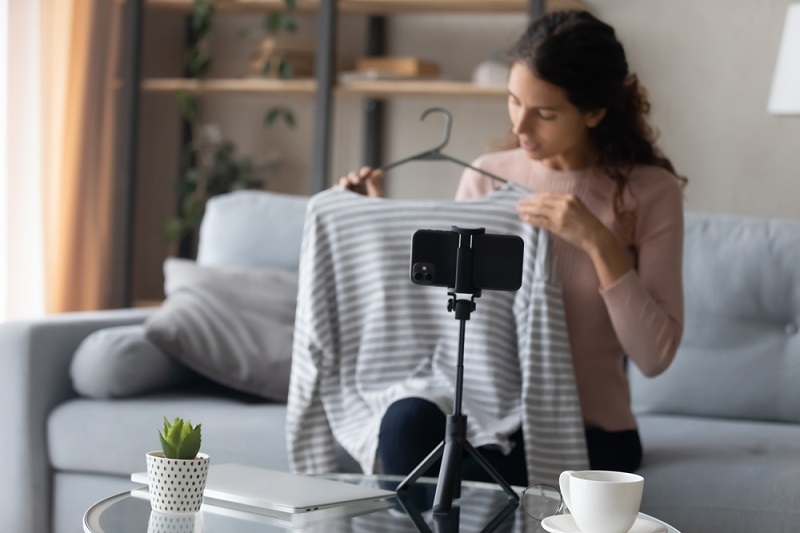
If you want to find out the benefits of paid collaboration, consider checking the following list:
Income and Growth for Creators
Paid collaboration allows Instagram creators to earn from their content. It turns their creative work into a real opportunity. This benefit also motivates creators to improve their style and stay consistent. This will help you get more chances and build a stronger online presence over time.
Reach and Trust for Brands
Brands use paid collaboration to reach audiences in a more natural way. This is because creators can share the message in a unique way that can make it feel personal. Followers are more likely to trust a creator than a regular advertisement. This helps brands grow their reach and build a stronger connection with the audience.
Better Results for Brands
Paid collaboration helps a business analyze the campaign insights. They can see what worked, which helps them plan future campaigns. Creators also learn from these insights. They see which posts perform well and what their audience likes. This benefit helps both sides improve over time.
These benefits explain why paid collaboration is a widely used method on Instagram today. It gives creators the chance to grow while helping brands reach the right audience.
Must Read: Influencer Brand Collaboration Guidelines, Examples & Tips
Conclusion
Paid collaboration is a simple and effective way for creators and brands to work together. By learning what is paid collaboration on Instagram is, checking real paid collaboration examples, and understanding how to get paid for partnerships with brands, creators can plan their next steps with clarity. It is a simple process that helps both sides grow at the same time.
FAQs
What is the Operational Difference Between Instagram Collab Posts and Paid Partnership Tags?
Instagram Collab posts allow two accounts to co-author a single feed post or Reel so that it appears simultaneously on both profiles, merging likes, comments, and organic audience reach. In contrast, the Paid Partnership tag displays a formal "Paid partnership with [Brand Name]" disclosure header at the top of a creator's post. While Collab posts focus on shared co-creation and organic cross-distribution, Paid Partnership tags specifically denote a commercial relationship, fulfill regulatory disclosure requirements, and unlock native brand analytics.
How Does the Partner Approval Setting Protect Brand Safety on Instagram?
The Partner Approval setting gives business accounts direct administrative control over which creators can tag their brand in sponsored posts. When enabled, creators must request permission before publishing content with the official Paid Partnership label. This prevents unauthorized accounts, competitor affiliates, or controversial profiles from falsely associating themselves with your business, ensuring that only vetted and contracted partners can officially represent your brand on the platform.
What Analytics and Metrics are Shared With Brands Through Paid Partnership Tags?
Once a creator tags a brand in a feed post or Reel, the business account gains direct backend access to performance metrics via Meta Business Suite. These metrics include exact reach, total impressions, engagement rates, profile clicks, and link interactions. For Instagram Stories, brands receive detailed 14-day tracking windows covering taps forward, taps backward, replies, and exits, enabling real-time campaign evaluation without relying on manual creator screenshots.
Can Brands Run Partnership Ads Without Access to the Creator's Account Login?
Yes, brands can launch Partnership Ads (formerly known as Branded Content Ads) directly through Meta Ads Manager without ever needing the creator’s login credentials. When a creator toggles the "Allow business partner to promote" option during the post-creation process, the brand receives permission to pull that exact post into their ad campaign dashboard. This allows marketing teams to add custom call-to-action buttons, build targeted lookalike audiences, and scale campaign spend while preserving the creator's identity.
What are the Consequences of Failing to Disclose Paid Collaborations on Instagram?
Failing to clearly disclose paid collaborations violates advertising regulations enforced by governing bodies like the Federal Trade Commission (FTC) in the US and the Advertising Standards Authority (ASA) in the UK. Non-compliance can result in severe financial penalties, formal regulatory audits, and immediate content takedowns by the platform. Furthermore, hiding commercial relationships erodes consumer trust, making audiences skeptical of future endorsements and damaging both the brand's and creator's long-term market reputation.
This content was created by AI