Budget-Friendly Influencer Marketing for Maximum Impact


Key Takeaways
- Partnering with nano and micro-influencers offers high audience engagement rates at a fraction of traditional media costs.
- Offering product gifting and performance-based commission structures allows growing brands to scale influencer campaigns with minimal upfront capital.
- Repurposing user-generated creator content across owned social channels and paid ads maximizes total campaign ROI.
- Focusing on hyper-niche communities ensures promotional messaging connects directly with high-intent buyers.
- Cultivating long-term relationships with emerging creators helps secure favorable long-term rates and authentic brand advocacy.
In today's digital age, influencer marketing has become a cornerstone of successful brand promotion. However, many businesses, especially small and medium-sized enterprises, often shy away due to perceived high costs. The truth is, you don't need a massive budget to run a successful influencer marketing campaign. With the right strategies, you can leverage budget-friendly influencer marketing to achieve remarkable results. This blog will guide you through creating a successful influencer marketing campaign on a budget, focusing on cost-effective strategies, micro-influencers, organic partnerships, and user-generated content.
Understanding Influencer Marketing
Before we start, it is important to understand influencer marketing. Influencer marketing involves collaborating with individuals with a large following on social media platforms to promote your brand, products, or services. These are people who have some pull in terms of influencing their audiences' buying decisions based on their certifications, knowledge, status, or relationships with their audience.
Why Influencer Marketing?
Influencer Marketing results in:
- Broader Brand Awareness: Influencers are perfect for accessing the broadest audiences.
- Credibility Boost: Resistance from trusted influencers significantly boosts branding credibility.
- Higher Engagement: Influencers' audiences often seem hyper-engaged, which means better interaction rates.
- Targeted Reach: You choose an influencer whose audience looks like your target audience.
Budget-Friendly Influencer Marketing: The Key to Success
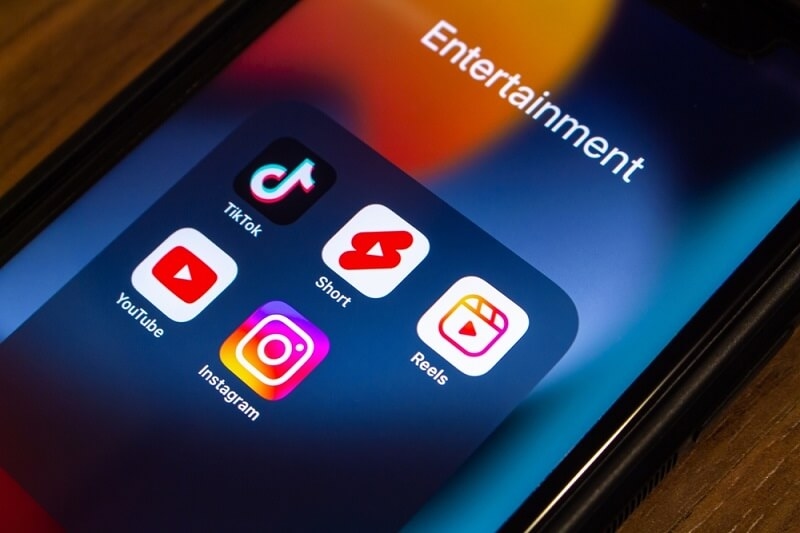
Successfully conducting an influencer marketing campaign on a budget involves a lot of thought and strategy in execution. Here are some inexpensive methods that can get you started:
1. Work with Micro-Influencers
Micro-influencers are marketers with relatively small followers (between 1,000 and 100,000) who are usually invested and involved in the brand. Due to their relationship with their audiences, they generally boast higher engagement rates. Partnering with them is an inexpensive method of influencer marketing and can yield significant results.
Benefits of Micro-influencers
- Authentic: Micro-influencers feel to be more genuine and relatable.
- Cost-Effective: They generally cost less than macro-influencers or celebrities.
- Niche Audiences: They often cater to specific niches, allowing targeted marketing.
How to Find Micro-Influencers:
- Social Media Platforms: Use Instagram, TikTok, and Twitter to search for influencers in your niche.
- Influencer Marketing Tools: Use tools like BuzzSumo, HypeAuditor, and Heepsy to find and analyze potential influencers.
- Viral Hashtag Searches: Use relevant hashtags in your industry to find influencers already discussing your niche.
2. Build Organic Partnerships
Organic partnerships are collaborative processes between the influencer and the brand to promote without monetary compensation. They are a barter system in which influencers are offered free products, services, or experiences with the intention of promoting a brand. This type of marketing is beneficial for low-budget influencer marketing campaigns.
Some tips on building Organic Partnerships
- Identify the Right Influencers: Select the influencers genuinely aligned with your brand values and are likely to be genuinely interested in your products or services.
- Reach Out Personally: Always personalize your call for collaboration whenever you approach influencers, mentioning what makes you think they will make a great addition to your brand.
- Offer Value: Provide value for Influencers without advancing monetary compensation, such as first dibs on new products, VIP experiences, or long-term collaboration opportunities.
3. Encourage User-Generated Content
User-generated content (UGC) is content created by your customers or followers that captures your brand. Encouraging UGC is a cost-effective way to boost your influencer marketing considerably.
Advantages of User-Generated Content
- Authenticity: UGC is generally considered more organic and trustworthy.
- Cost Efficiency: It means you don't need to create higher-budget content.
- Enhanced Engagement: UGC promotes interaction and engagement from your audience.
Encouraging User-Generated Content
- Hashtag Campaigns: A hashtag campaign is a great way to go. Ask your followers to use your unique hashtag when posting about your brand.
- Contests and Giveaways: Run contests or giveaways requiring contestants to create and share content about your products.
- Easy sharing of user-generated content: Repost and share on social media, and always give due credit to your contributors.
4. Plan Your Campaign Strategically
All the campaign planning will determine how well you can get maximum influence from your budget-friendly influencer marketing efforts. A scrutinized plan ensures the best use of your resources and doesn't do what you want.
Steps of Campaign Planning
- Set Clear Objectives: Specify the objectives you want to achieve, such as brand awareness, sales, or engagement.
- Define Your Target Audience: Understand what your audience wants and what type of content appeals to them.
- Choose the Right Platforms: Choose social media platforms that your targeted audience uses frequently.
- Create a Content Calendar: Forward fashion your content-thinking- the kind of posts to be made, their uploading period, and the messages to portray them.
- Monitor and Optimize: Always check your campaign's performance and make any necessary changes to optimize it.
5. Utilize Cost-Effective Strategies
There are some inexpensive ways to get the best out of your influencer marketing budget:
a. Barter Collaborations
Barter collaborations involve giving products or services to influencers to promote the exchange. This technique can benefit small businesses which have relatively low marketing budgets.
b. Affiliate Marketing
Regarding affiliate marketing, your main objective is to work with influencers who will earn a commission based on an agreed percentage for each sale they perform through their unique affiliate link. This method is performance-based and ensures you only pay for actual results.
c. Long-term Partnerships
Long-term deals with influencers can create a cost-effective alternative to one-off collaborations. Often, these become more personal, and the influencer can give you preferable rates.
d. Repurpose Content
Could you repurpose the content influencers create to market on your channels, such as social media posts, blog articles, and email newsletters, to reap the benefits of your expense?
6. Measure and Analyze Campaign Performance
Every dream of success in a budget-friendly influencer marketing campaign should hold the need for performance measurement and analysis at its core. This should tell what works and what then must be improved.
Important metrics to track:
- Engagement Rates: Tracking likes, comments, shares, and overall audience involvement with the influencers' posts.
- Reach and Impressions: Understand how many people saw that content and how far it reached.
- Conversions: Track sales conversions, sign-ups, or any other desired actions influenced by the campaign.
- Return on Investment: Calculate the ROI by comparing the cost of the campaign with revenues.
Tools for Measuring Performance:
- Google Analytics: Track traffic to the website and influencers' campaigns, converting into sales.
- Social Media Analytics: Employ built-in analytics tools from platforms like Instagram, TikTok, and YouTube to analyze the engagement and reach of posts.
- Influencer Marketing Platforms: Use platforms like AspireIQ, Traackr, and Upfluence to analyze the entirety of the campaign.
Conclusion
Creating a successful influencer marketing campaign on a budget is achievable with the right strategies. By leveraging micro-influencers, building organic partnerships, encouraging user-generated content, and employing cost-effective strategies, you can maximize your impact without breaking the bank. Remember, the key to success lies in careful planning, strategic execution, and continuous monitoring. With these budget-friendly influencer marketing tips, you're well on achieving your marketing goals and growing your brand.
Influencer marketing doesn't have to be a costly endeavor. You can create impactful campaigns that resonate with your target audience by focusing on authenticity, engagement, and strategic planning. Whether a small business or a large enterprise, these budget-friendly influencer marketing strategies can help you achieve your objectives and drive meaningful results. So, start planning your next influencer marketing campaign today and watch your brand soar to new heights!
FAQs
How do gifting campaigns compare to paid micro-influencer partnerships in driving predictable sales?
Gifting campaigns rely on sending free products in exchange for optional, organic posts, which lowers upfront costs but results in lower posting consistency and unpredictable conversion volume. In contrast, paid micro-influencer partnerships guarantee specific deliverables, dedicated posting schedules, and usage rights licensing, providing brands with predictable sales lift and reliable content output.
What contract strategies allow small businesses to secure paid whitelisting rights on a tight budget?
Small businesses can secure cost-effective whitelisting rights by negotiating short 30-day or 60-day usage windows focused exclusively on top-performing organic posts rather than purchasing perpetual rights across all content. Bundling ad permissions into initial campaign tier agreements—or offering creators a percentage performance bonus on ad conversions—keeps upfront usage fees minimal while unlocking paid distribution potential.
How can small brands structure tiered affiliate programs to incentivize creator performance?
Structuring a tiered affiliate program involves setting baseline commission rates that increase as creators achieve higher sales volume thresholds. Offering additional perks—such as exclusive product previews, custom discount codes, and quarterly cash bonuses for top-converting partners—motivates creators to consistently promote your brand without requiring large initial flat fees.
What free or low-cost analytics tools help small marketing teams audit influencer engagement quality?
Small marketing teams can leverage built-in social platform insights alongside native auditing features to evaluate follower authentic engagement, audience location distribution, and comment depth. Manually analyzing engagement ratios, checking follower profile authenticity, and monitoring comment sentiment provides a reliable vetting framework without needing expensive enterprise software subscriptions.
How do hyper-local influencer partnerships lower customer acquisition costs for brick-and-mortar businesses?
Hyper-local influencer partnerships focus on creators with strong geographical authority and concentrated local followings. By partnering with neighborhood creators for venue visits, local events, or store launches, brick-and-mortar businesses drive foot traffic and high-intent local footfall, resulting in lower customer acquisition costs compared to broad regional advertising campaigns.
This content was created by AI