11 Most Effective Influencer Marketing Trends in 2025


Key Takeaways
- Scaling multi-creator campaigns requires shifting from transactional sponsorships to collaborative, long-term brand equity partnerships.
- Deploying AI-powered discovery platforms enables marketing teams to audit audience authenticity and forecast return on ad spend before contract signing.
- Leveraging micro and nano-influencer networks provides hyper-targeted community reach with significantly higher engagement efficiency.
- Integrating social checkout features directly within short-form video feeds streamlines consumer conversion and minimizes drop-off friction.
- Re-purposing high-performing creator assets across paid media channels lowers overall customer acquisition costs and optimizes budget allocation.
People are now rapid to scroll past ads to skip them because of which influencer marketing has become one of most effective digital marketing strategies for brands. And in 2025, this industry has not just changed, but it has completely transformed itself.
The current influencer marketing trends are more refined, data-driven and surprisingly have a human touch. In simple words, authentic and real videos from creators are the most trending influencer marketing strategies used by brands.
It does not matter what the size of the marketing campaign is, knowing the latest trends in influencer marketing is the most important thing for your business to create a real connection with the audience. It is also important to use insights and data, as they help in shaping the campaign and target the right set of audience.
This blog will explore the most effective influencer marketing trends of 2025 that every brand should know.
Influencer Marketing’s Growth and Why It is Crucial to Follow the Trends in 2025
The past decade has saw the rapid rise of influencer marketing from a niche strategy to a mainstream powerhouse. It accounts for a significant portion of digital budgets that companies have across different industries in 2025.
It began with viral moments on social platforms but has now turned into a strategic method of promoting products and creating a brand’s online presence.
However, the audience is growing wiser and the algorithms is becoming more complex. This is why knowing the latest influencer marketing trends 2025 is not optional but essential for relevance and trust.
Top Influencer Marketing Trends 2025
This year, influencer marketing is all about realness over reach, and niche over mass. Here are the most effective influencer marketing trends shaping 2025:
1. Rise of Nano and Micro-Influencers
Smaller audiences, deeper trust. Nano (under 10K followers) and micro-influencers (under 100K) are seeing better engagement rates and higher ROI than celebrity creators.
2. AI-Powered Creator Discovery
AI tools are now helping brands match with creators based on tone, audience behavior, and even content sentiment.
3. Long-Term Collaborations Over One-Off Posts
Brands are shifting toward ambassador-style relationships. Think series, not single stories.
4. Content Diversification
Short-form video still leads, but blogs, newsletters, and podcasts are making a comeback for storytelling and SEO value.
5. Platform Shifts
TikTok is still dominant, but niche platforms and even virtual worlds are now part of campaign planning.
6. Data-Driven Influence
Impressions and likes are being replaced by conversation quality, saves, shares, and click-through insights.
7. Authenticity Over Perfection
Audiences trust raw and unfiltered content more than polished production. This is because the authentic content feels relatable.
8. Decentralized Storytelling
Brands are no longer the center. They’re letting influencers drive the story in their own voice — and it’s working.
9. Live Shopping
Real-time product walkthroughs via live video are bridging the gap between inspiration and purchase.
10. Purpose-Driven Collaborations
Influencers aligned with social or environmental causes are seeing a rise in support and conversion.
11. AI-Generated Influencers
Virtual influencers are real and they are growing, evolving, and some have follower counts larger than cities.
These trends in influencer marketing may differ across niches, but the underlying theme is constant that is building trust among the audience.
Best Practices for Brands Following Influencer Marketing Trends 2025
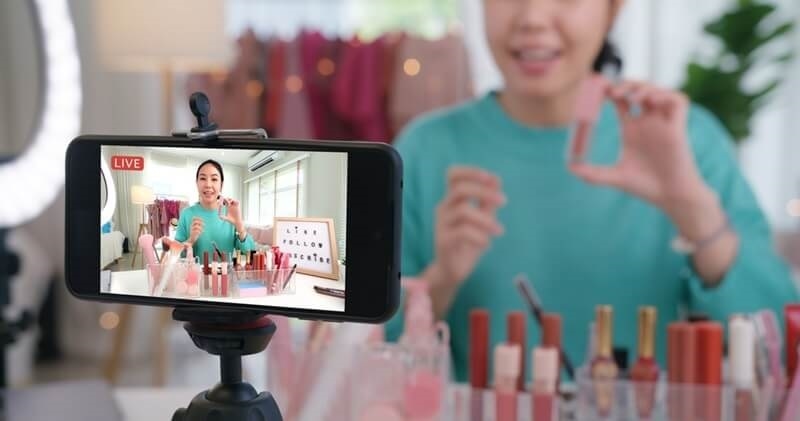
Some brands thrive with influencers. Others fumble. What separates the two? Strategy, empathy, and structure. In 2025, following influencer marketing trends 2025 means applying best practices that are less about control and more about collaboration.
Here is what works:
- Let influencers lead the creative process because their audience trusts their tone, not brand scripts.
- Prioritize values alignment as audience loyalty follows when partnerships feel authentic.
- Invest in relationship-building because long-term partnerships lead to stronger messaging and higher conversions.
- Track meaningful metrics and look beyond vanity metrics. Also consider measuring the story replies, saves, and actual sales impact.
- Respect audience boundaries because influencer audiences are sharp. They know the difference between a plug and a purpose.
By respecting these principles, brands can ride the current wave of trends without falling into gimmicks.
Must Read: How Finance Influencers Are Changing the Investment Game
What Are Common Challenges in Influencer Marketing Today?
Even with growth, the influencer world in 2025 faces some real hurdles:
- Oversaturation: Too many ads can hurt credibility.
- Mismatched Partnerships: Audiences can spot when a creator doesn't align with a brand’s values.
- Fake Followers: Despite better tools, some creators still inflate numbers.
- Unclear ROI – Not all brands measure success correctly, leading to frustration.
- Platform Volatility: Algorithm changes can kill engagement overnight.
These challenges require more than just tools, they need clarity, honest collaboration, and constant adaptation.
How Will Influencer Marketing Evolve Beyond 2025?
Looking past 2025, influencer marketing won’t just be about sponsored posts. It’ll become a key part of broader brand storytelling and product development. Influencers will serve not just as promoters, but as co-creators, testers, even brand strategists.
Expect to see:
- Creators launching exclusive product lines
- Community-led product design
- More immersive AR/VR brand experiences
- AI-generated influencers working alongside human creators
- Greater regulation and transparency in influencer-brand relationships
Influencer marketing is evolving into something bigger — it’s becoming a cornerstone of how stories are told and how trust is built in the digital age.
Final Thoughts
The influencer marketing trends right now represent a clear story that people prefer connection over perfection. From AI insights to micro-level authenticity, the influencer marketing industry is growing rapidly. This is why brands need to stay updated with these trends to stay ahead of the curve and build trust among the customers
FAQs
How do automated fraud detection tools identify artificial engagement in creator profiles?
Automated fraud detection platforms analyze follower growth velocity, audience location distribution, and comment patterns to flag fake accounts and paid bot activity. By evaluating engagement-to-follower ratios against baseline industry averages and identifying repetitive, generic comment threads, these tools ensure brand budgets are invested exclusively in creators with real, active human audiences.
What contract clauses protect brands when Whitelisting influencer handles for paid ad campaigns?
Whitelisting creator accounts requires incorporating specific licensing agreements that define campaign duration, geographic ad placement rights, budget controls, and editorial oversight. Contracts must explicitly grant the brand permission to create custom ad copy and target lookalike audiences through the creator's handle while ensuring the creator cannot delete or edit active ad assets during the campaign run.
How can enterprise B2B brands effectively leverage thought leadership influencers on professional networks?
Enterprise B2B brands build authority by partnering with industry analysts, subject matter experts, and executive practitioners to co-create technical whitepapers, host live panel discussions, and publish LinkedIn video breakdowns. Rather than focusing on consumer product unboxings, B2B influencer campaigns emphasize solving complex operational challenges, driving enterprise software adoption, and building long-term trust within specific corporate buying committees.
How do creators and brands navigate evolving AI likeness rights and digital twin licensing?
Licensing digital twins or AI-generated creator likenesses involves establishing strict legal parameters regarding synthetic voice generation, visual reproduction, and specific promotional contexts. Creators negotiate high-value usage fees and retained editorial approval for all AI-generated media, protecting their digital identity from unauthorized commercial exploitation while allowing brands to scale localized video variations efficiently.
What measurement frameworks isolate influencer impact from concurrent performance marketing channels?
Isolating creator campaign impact relies on deploying randomized control trials (RCTs), geo-matched holdout testing, and media mix modeling (MMM) alongside custom tracking links and promo code attribution. By comparing sales lift in target geographic regions exposed to creator activations against unexposed control markets, marketing analytics teams can calculate the true incremental revenue lift generated by influencer media.
This content was created by AI